A new study suggests that older women’s muscle strength—measured by grip strength and how easily they can stand from a chair—can strongly predict longevity. Researchers found lower mortality risk among participants with greater strength, even after accounting for physical activity and other health factors. The findings point to practical, at-home screening that may help flag risk earlier than traditional measures.
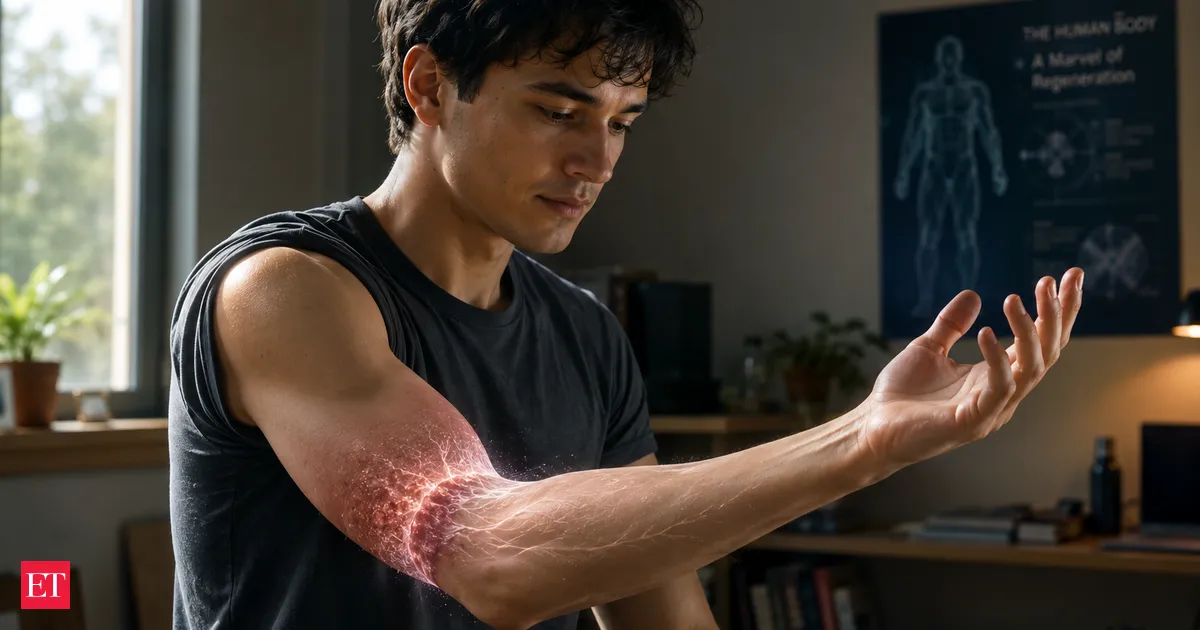
Naked mole rats are famous for surviving long lives and resisting cancer, and researchers point to a protective molecule called HMW-HA. In a key experiment, scientists added the gene that produces HMW-HA into mice. The result: longer lifespan and lower inflammation, raising hopes that similar approaches could slow human aging and improve health.
Your news, in seconds
Get the Beige app — every story in 60 words, updated hourly. Free on iOS & Android.
Researchers studying naked mole rats found a gene that drives high levels of high molecular weight hyaluronic acid, a molecule linked to cancer resistance, lower inflammation, and healthier aging. When scientists introduced the gene into mice, the animals showed improved health markers and a modest lifespan increase, reigniting interest in regenerative medicine.
Cornell University research adds a new twist to healthy aging: low vitamin B12 may damage skeletal muscle mitochondria, reducing energy production and cellular resilience. The study found suboptimal B12 levels are common among older adults, and B12 supplementation improved mitochondrial function in aged mice. Human trials are now needed to confirm whether correcting deficiency can slow aspects of age-related decline.
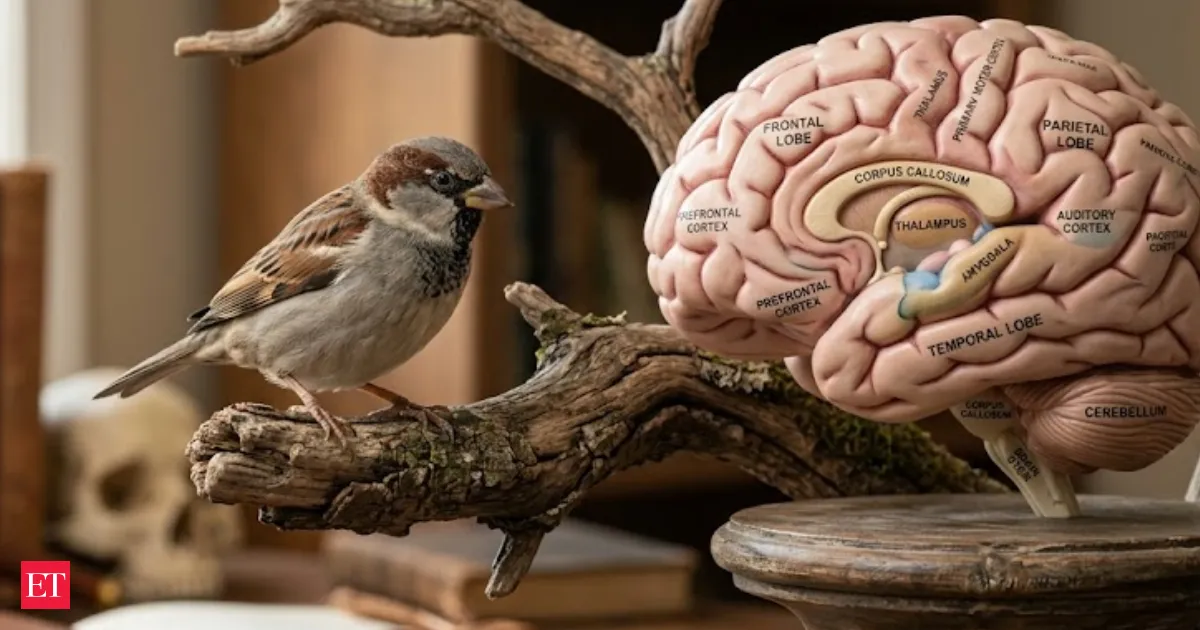
New research suggests birdwatching does more than improve observation and memory. Years of identifying birds appear to create measurable structural differences in the brain, boosting attention and visual processing. Studies also find expert birders display distinct brain activity under pressure, hinting that this “brain workout” could support cognitive reserve as people age.
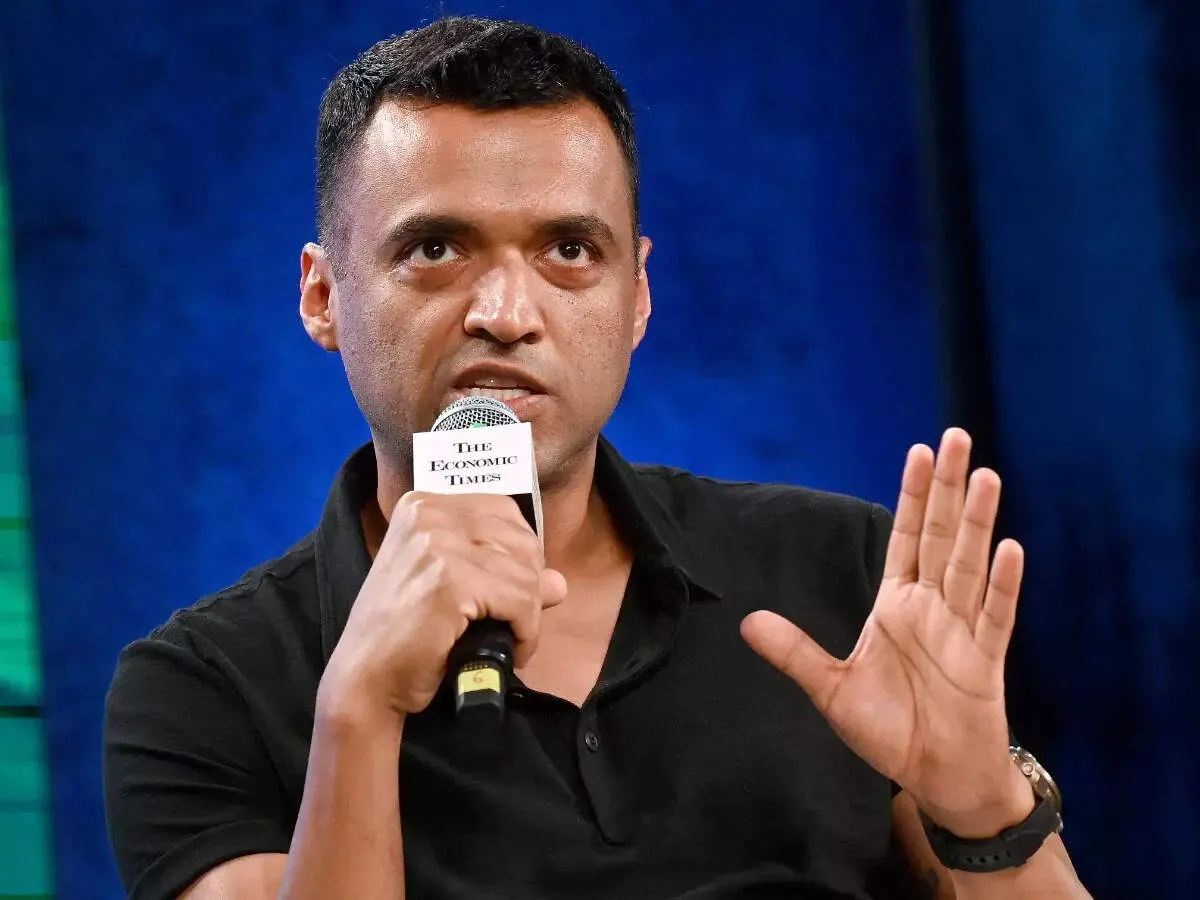
Deepinder Goyal says his longevity venture has been investigating a new explanation for why humans age. Posting on X, he called it a “crazy insight” that has been hiding in plain sight, hinting at findings that could challenge existing understandings of aging. The entrepreneur didn’t share details yet, leaving many questions about the science behind the claim.
Never miss a story
Set alerts for the topics and sources you care about. Download Beige for free.
Swipe through stories, personalise your feed, and save articles for later — all on the app.