Bharti Airtel’s management is unhappy with sluggish ARPU growth, calling India’s telecom pricing architecture “broken.” In Q4, ARPU edged up just ₹3 sequentially to ₹257, with two missing days and factors like West Asia-driven impact on international roaming. Airtel argues unlimited data plans limit revenue yields to roughly ₹340–350. It plans to push higher post-paid penetration, encourage data upgrades with 5G and handset migration, and invest more in fibre broadband and new “adjacencies” like data centres and financial services.
Bharti Airtel is exploring 5G network slicing, a setup that creates virtual networks tailored to specific needs. The telecom operator wants to monetize its 5G infrastructure by enabling premium voice and data plans, potentially covering both retail and enterprise customers. The initiative comes after Reliance Jio’s push into enterprise use-case offerings, signaling a new battleground in 5G monetization.
Your news, in seconds
Get the Beige app — every story in 60 words, updated hourly. Free on iOS & Android.
Vodafone Idea is in talks with an SBI-led consortium for ₹25,000 crore in debt funding, following a major government cut to its AGR dues. The telco is also seeking ₹10,000 crore for working capital and is preparing a three-year turnaround plan anchored on network upgrades and accelerating 5G expansion, aimed at stabilising operations and cash flow.
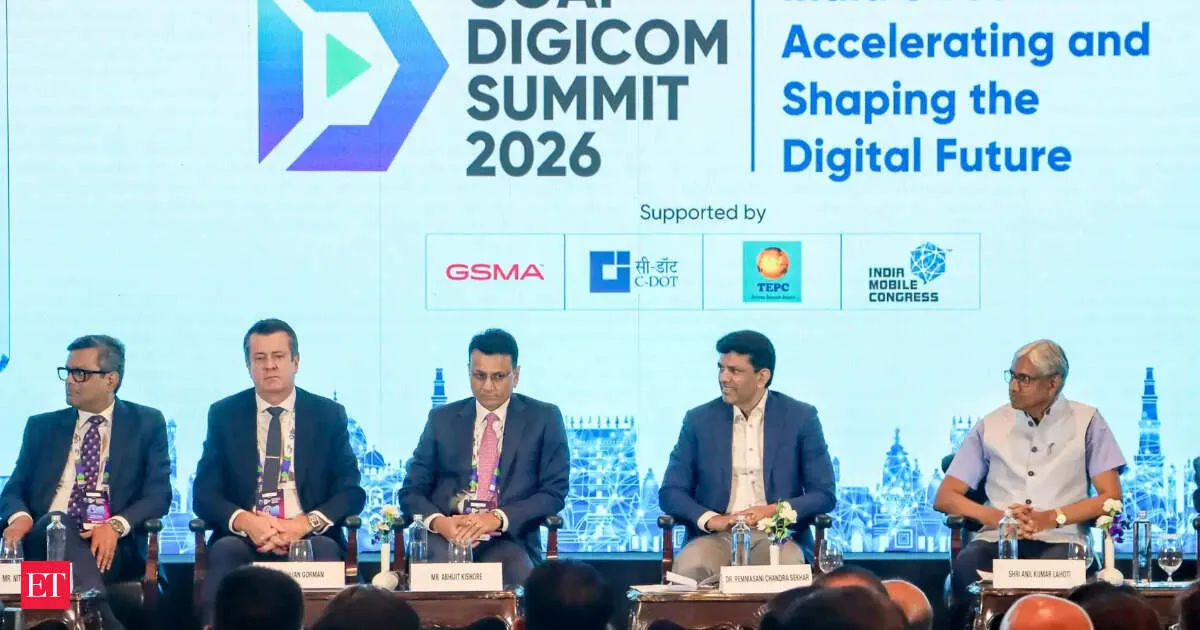
COAI has asked the government to cut spectrum auction prices, arguing telecom operators haven’t yet recovered heavy 5G infrastructure investments. The industry body says policymakers should factor in the capital already infused by service providers and set lower auction costs so operators can sustain and expand networks without crippling business returns.
Reliance Jio says its ARPU rose to ₹214 in Q4 FY26 as the subscriber base crossed 52.4 crore. The telecom added momentum through rapid 5G adoption, now reaching 268 million users, while fixed broadband continued gaining market share. Jio expects enhanced services and new bundled packs to sustain growth across mobile and home connections.
With consumers increasingly choosing the best value, telcos are intensifying competition, but 5G is not expected to trigger major subscriber growth. Analysts warn the next phase could be a fresh price war—less about acquiring new users and more about retaining existing ones through tougher offers and loyalty-focused tactics.
Never miss a story
Set alerts for the topics and sources you care about. Download Beige for free.
Telcos have poured crores into 5G rollout, yet monetisation remains elusive. While fixed wireless access and enterprise services look promising, growth is slowed by affordability gaps and the cost of scaling viable offerings. Telecom players must solve both demand and delivery economics before 5G revenues can catch up with investments.
Hindustan Copper Limited plans to invest over Rs 7,000 crore in the next five years to expand its mines and significantly boost production capacity. Alongside the capex push, the company is launching a major digital transformation, including upgrades to communication systems and the adoption of advanced technologies such as 5G and AI in its operations.
Vodafone Idea’s Q3FY23 results underline deep stress, with losses running into thousands of crores as Airtel and Jio pull ahead. With limited 5G service availability, the company fears customers may churn further. Vodafone Idea says it is in talks with lenders for more funding, but investors are left wondering whether the capital infusion and network upgrades can reverse the slide.
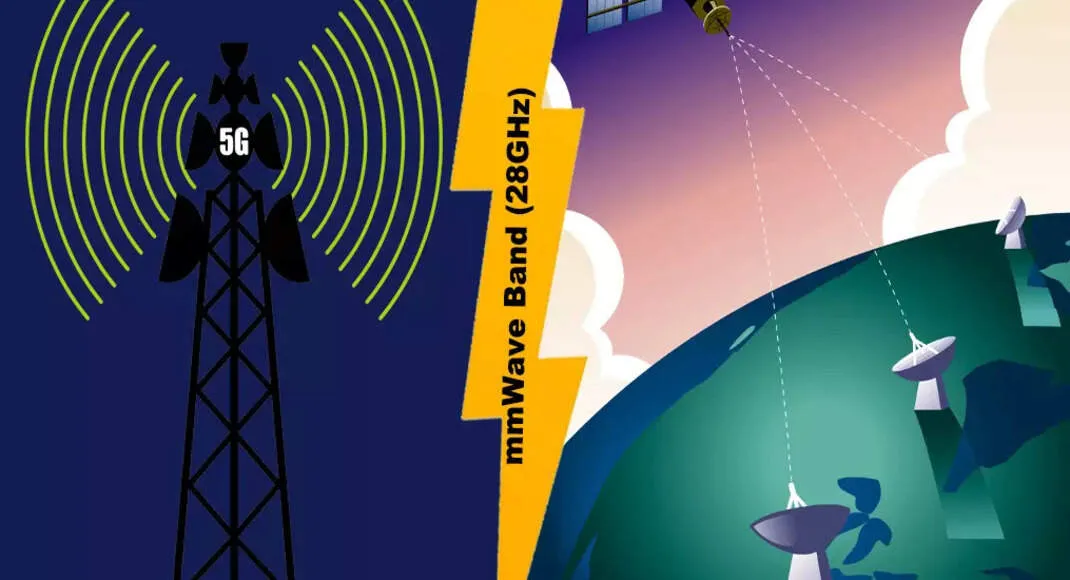
A battle is brewing in India’s airwaves as satellite communication firms rely on the 28GHz band for earth station-to-satellite links. They argue that reallocating any portion to telcos for 5G would harm their services. Telcos counter that 28GHz is critical for 5G’s high capacity, low latency, and high throughput—raising questions on how regulators will split the band.
Reading on mobile?
Open Beige in the app for a smoother experience — free on iOS and Android.
India’s 2024 spectrum auction starts today after multiple delays, offering airwaves worth Rs 96,317.65 crore. The government expects roughly Rs 10,000 crore from the sale, but early estimates point to only about 17% of the spectrum value being taken up, potentially the weakest response since 2014. The session could shape 5G rollout economics.
Airtel, Jio and Vi are challenging the government’s idea to allocate spectrum directly for 5G private (captive) networks to enterprises. Telcos say this could steal a potential business opportunity, while enterprise and tech firms argue it accelerates adoption and supports next-generation industrial connectivity. The dispute boils down to who should own and benefit from private 5G spectrum.
Swipe through stories, personalise your feed, and save articles for later — all on the app.