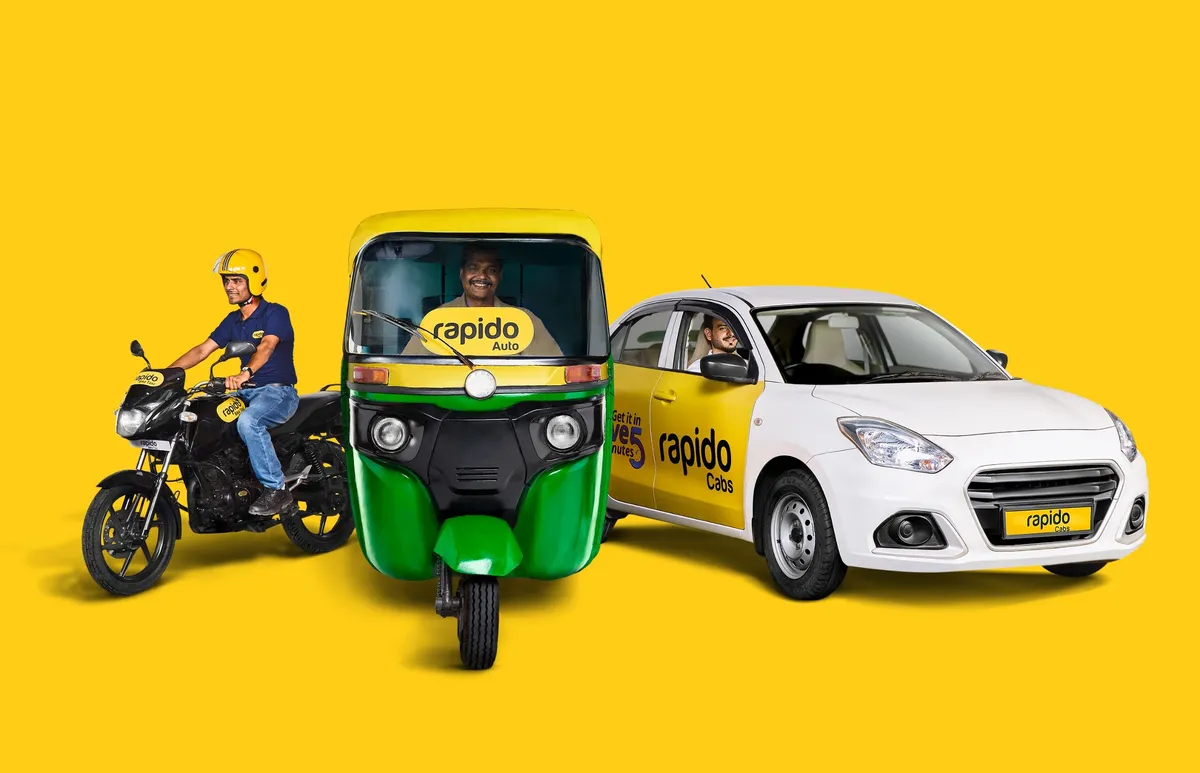
Rapido has raised $240 million in primary funding at a $3 billion post-money valuation, led by Prosus with participation from WestBridge Capital and Accel. The ride-hailing firm plans to expand into newer markets while strengthening its presence in existing ones, with a particular focus on growth opportunities outside Tier I cities—adding fresh pressure to Uber-Ola dominance.
Indian startups saw a modest VC inflow surge in the week of May 9-15, driven largely by ride-hailing platform Rapido’s $240 million primary round. Total VC funding rose to $323 million across 22 deals, up from $129 million the previous week. Still, funding remained thin across stages, with global macro headwinds clouding expectations for the rest of the year.
Your news, in seconds
Get the Beige app — every story in 60 words, updated hourly. Free on iOS & Android.
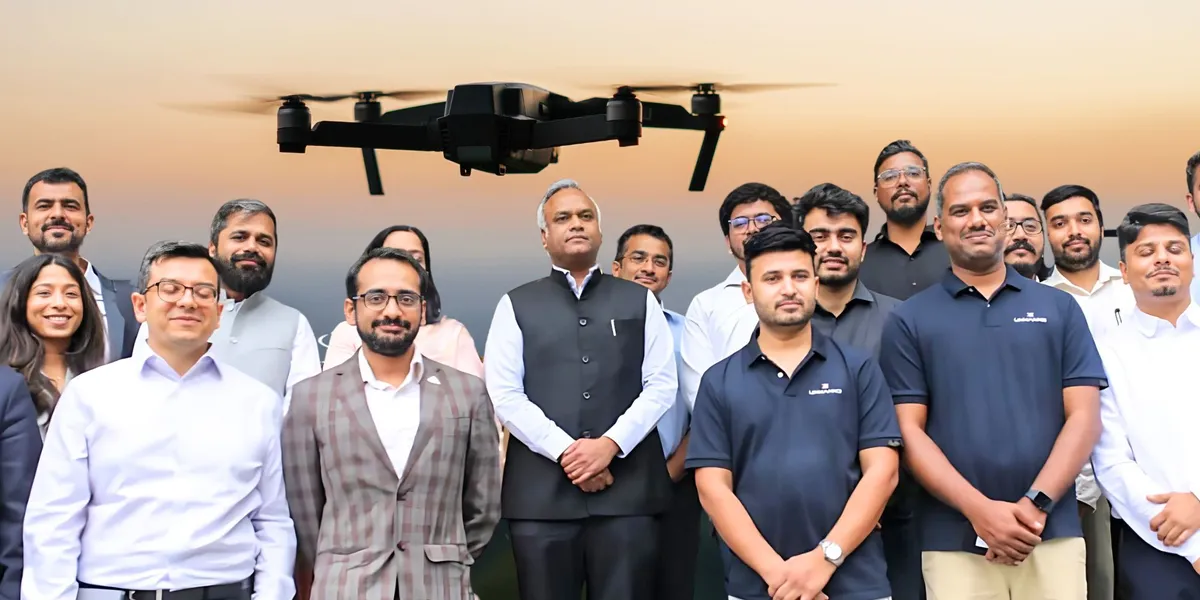
Karnataka has announced an expedited plan for a dedicated drone flight testing facility near Bengaluru, alongside a refreshed drone policy framework. IT/BT Minister Priyank Kharge led an industry consultation with regulators and startups to address testing infrastructure, streamlined approvals and public-sector drone adoption. The state is also exploring an annual Bengaluru Drone Festival to spotlight innovation, competitions and real-world use cases.
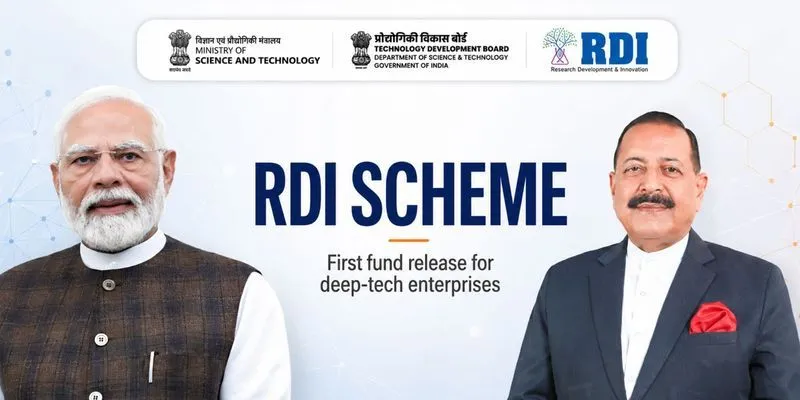
India has begun disbursing funds under its Rs 1 lakh crore Research Development and Innovation (RDI) Scheme, sending cheques to the first cohort of five deep tech startups. Technology Development Board (TDB) released an initial tranche through long-term, low-interest loans and possible equity. The companies span space, drones, robotics, battery tech, and advanced healthcare, with the first approvals following a surge of proposal demand within months.
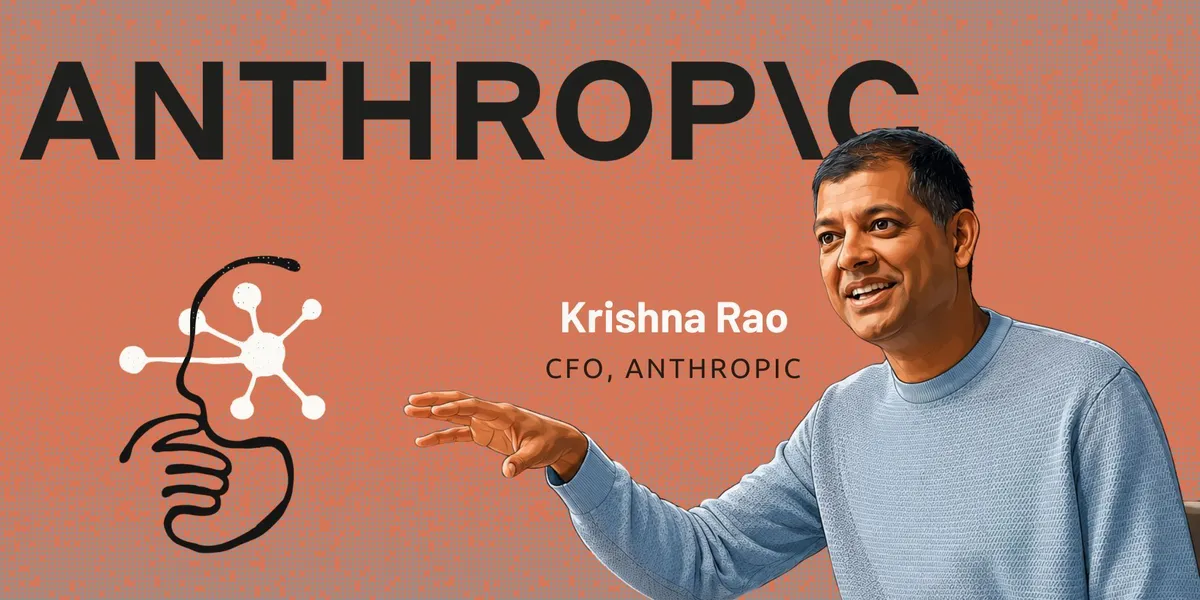
In a first podcast appearance, Anthropic CFO Krishna Rao lays out how the AI lab scaled from about $250M in run-rate revenue two years ago to roughly $30B by early 2026—driven by a ruthless “compute” strategy. He describes long-horizon planning, multi-vendor chip bets across Trainium, TPUs, and GPUs, and why interpretability and safety research is now boosting enterprise trust and retention.
Globbel has officially launched a unified cross-border ecommerce platform aimed at helping brands expand internationally across 16 markets in weeks rather than years. The system combines logistics orchestration, localized payments, tax and regulatory compliance, and marketplace or D2C storefront integrations into a single operating layer—built on Stelcore infrastructure that supports thousands of brands.
Never miss a story
Set alerts for the topics and sources you care about. Download Beige for free.
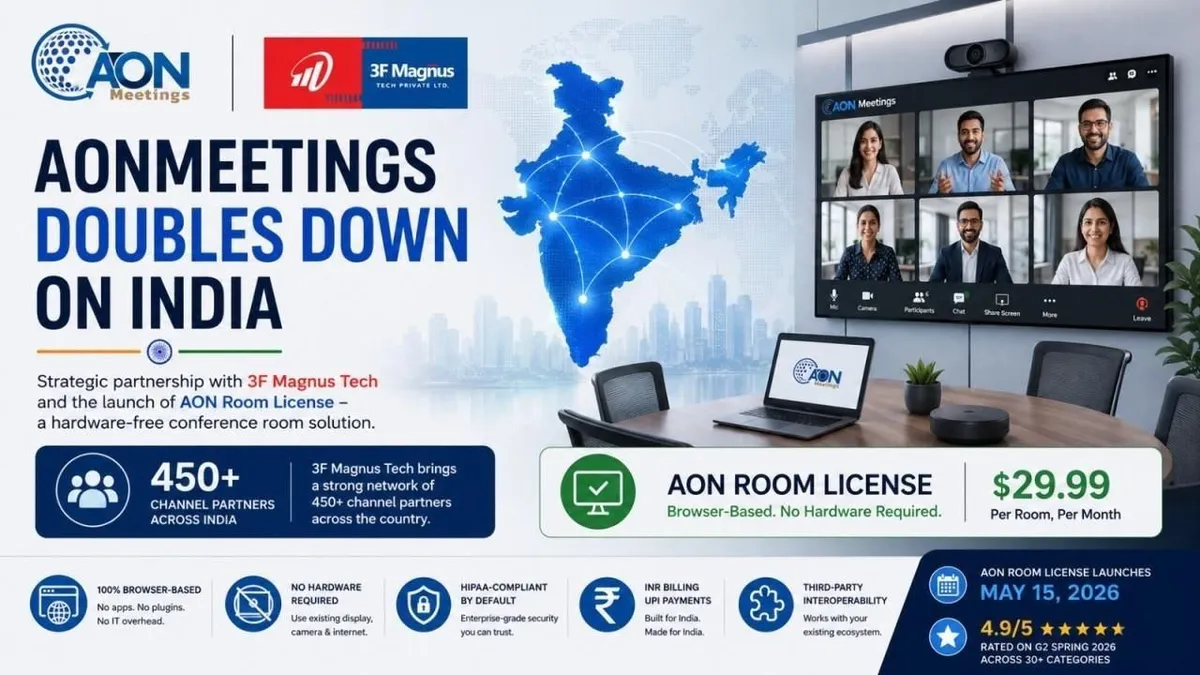
HIPAA-compliant video platform AONMeetings is ramping up in India with a master channel partnership through 3F Magnus Tech that activates a network of 450 partners. At the same time, it will launch AON Room License on May 15, 2026: a browser-based conferencing room subscription that requires no proprietary codecs or device installs, aiming to make enterprise video easier and cheaper for regulated and mid-market customers.
US-based finance agentic company Numero AI has acquired Royu, a Chennai finance automation startup, in a cash-and-stock deal valued undisclosed. Royu’s co-founders will join Numero’s leadership, with one leading product and the other technology. Together, the firms aim to deploy an AI-native agentic system to automate enterprise finance and controller workflows, including accounting close, reconciliation, and reporting.
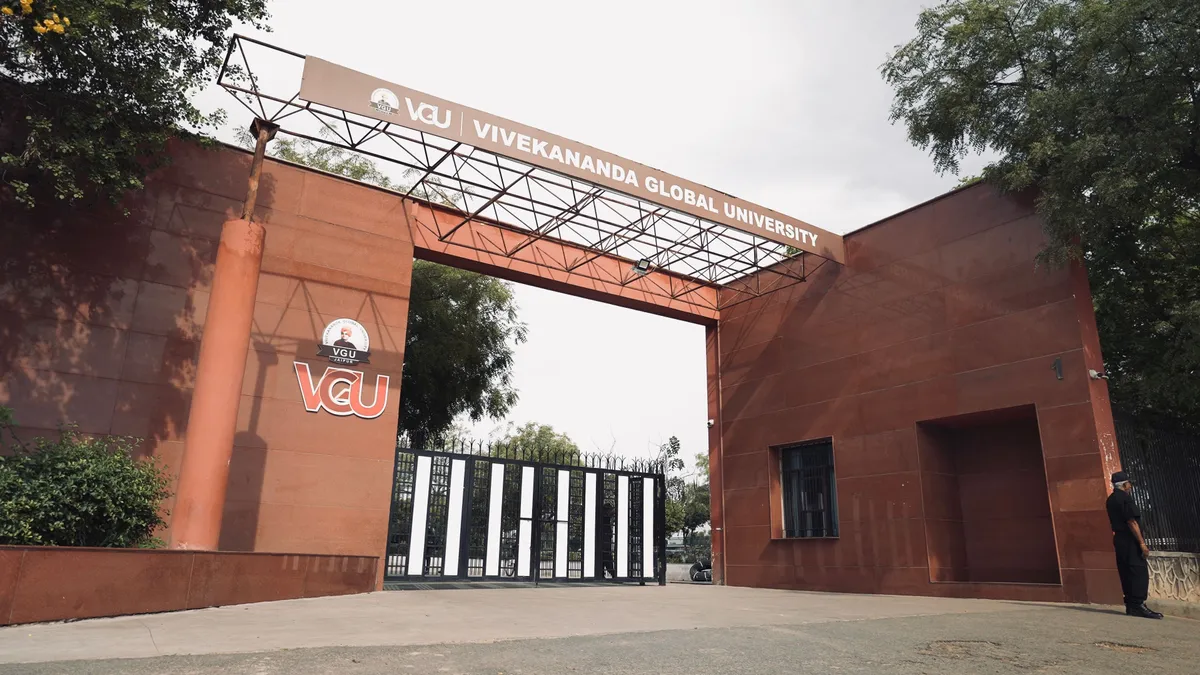
Vivekananda Global University (VGU) in Jaipur is betting that India’s next founders will build from home as remote-first work and Tier II support programs expand. The university has supported 200-plus startups, enabled over Rs 20 crore in funding, and embeds incubation, mentorship, and early grants into academics—helping founders access pilots, mentors, and investors without relocating to metros.
Karnataka’s IT Ministry held a high-level spacetech ecosystem consultation chaired by Minister Priyank Kharge, bringing together startups, academia, industry, HAL and public institutions. The standout plan: a Common Assembly, Integration and Testing (AIT) facility in the state, using land near Bengaluru and a Public-Private Partnership model. Officials also discussed easier access to existing test infrastructure, manufacturing parks, and Karnataka’s draft Space Policy.
Reading on mobile?
Open Beige in the app for a smoother experience — free on iOS and Android.
Wipro Consumer Care Ventures has invested in pan-Asian food brand Moi Soi from Ceres Foods, with the deal value undisclosed and GVFL also participating. The brand plans to expand distribution in modern trade and quick commerce, broaden flavours, and strengthen branding. Moi Soi sells across D2C, quick commerce and retail, operating in multiple countries and delivering to thousands of pin codes.
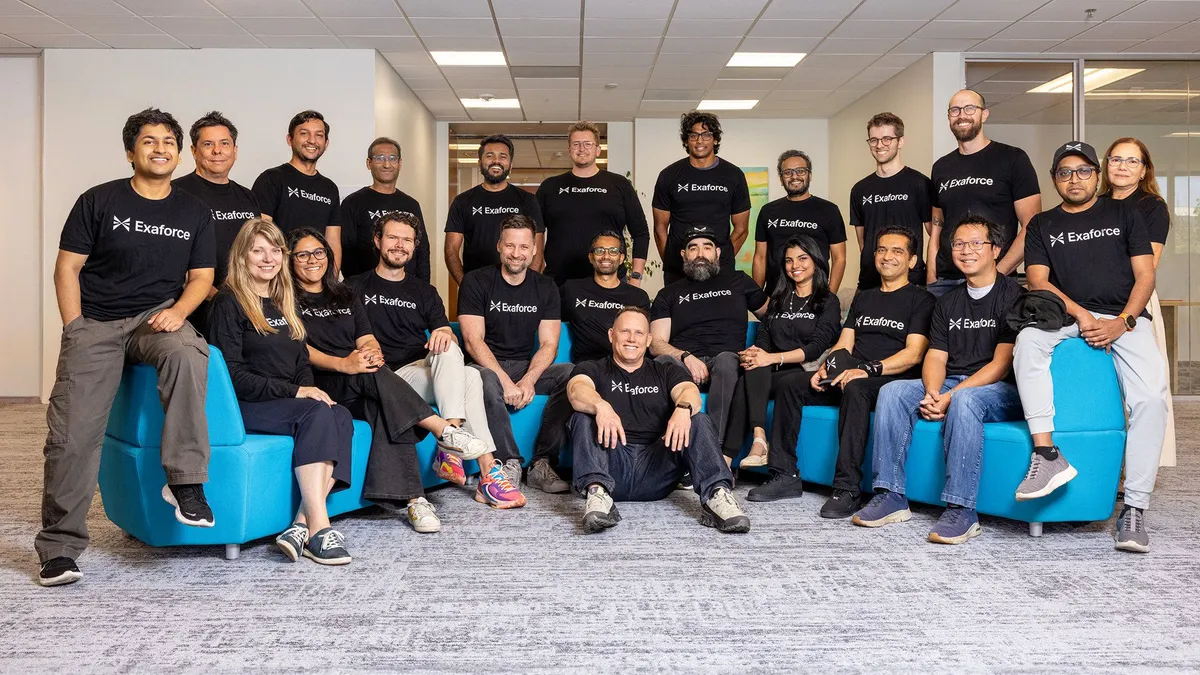
Cybersecurity startup Exaforce, based in California, raised $125 million in a Series B round led by HarbourVest, Peak XV, Mayfield, Khosla Ventures, Seligman Ventures and AICONIC. The company says it is building “platform defenders actually work in” using multi model AI and a real time knowledge graph to speed investigation, detection and response while scaling globally including Japan and Europe.
Dil Foods, a virtual restaurant enabler, raised Rs 72 crore in a Series B led by Bikaji Foods Family office, with backing from international funds and existing investors. The round takes total funding to Rs 113 crore. The company plans to diversify cuisines, enter new high-growth markets, and scale from 300+ partners across six cities toward 600 locations by FY28.
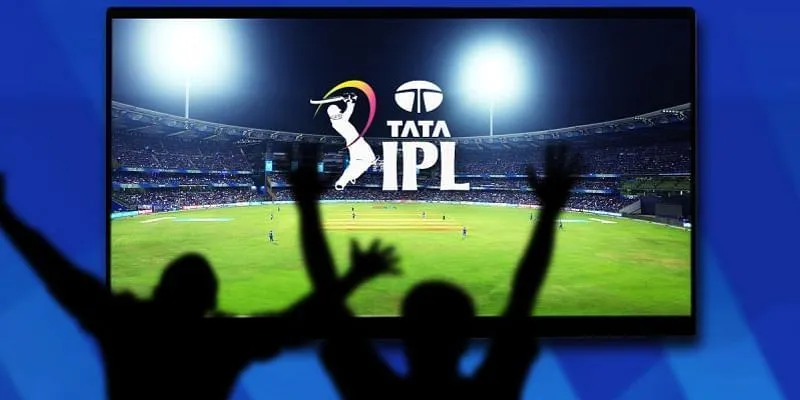
IPL 2026 is showing a sharp split: linear TV ratings are down 18.8% in the first half, while digital engagement continues to climb as younger viewers switch to mobile-first clips and connected TV. In biotech, Bengaluru and Delaware startup LiteFold is building an “AI co-scientist” aimed at compressing computational biology and legal workflow steps, skipping only the wet lab.
Follow your favourite sources
Track sources, tags and categories — all in the Beige app.
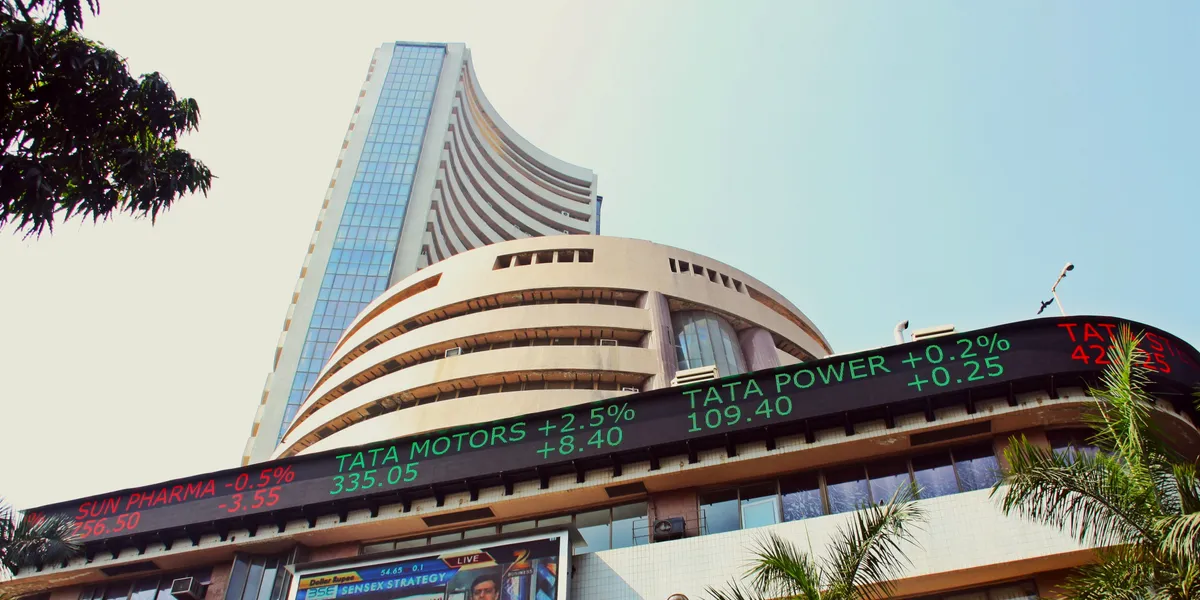
Indian equities extended losses for a fourth straight session, with Sensex and Nifty falling nearly 2% as elevated Brent prices, a record-weak rupee, and persistent FII selling battered risk sentiment. Brent rose to about $107, the rupee hit a lifetime low near 95.63, and FIIs sold over Rs 8,400 crore. Analysts cite a broader confidence shock tied to US Iran uncertainty.
Bengaluru fabless semiconductor startup HrdWyr has raised $13 million in Series A funding led by Ideaspring Capital, with participation from Singularity AMC, Avatar Growth Capital and Persistent Systems. The company plans to develop its AI-native System-on-Chip (AISoC) products and expand customer engagements globally. Founded in 2023, HrdWyr says its AI is embedded at the edge for faster, efficient physical AI systems.
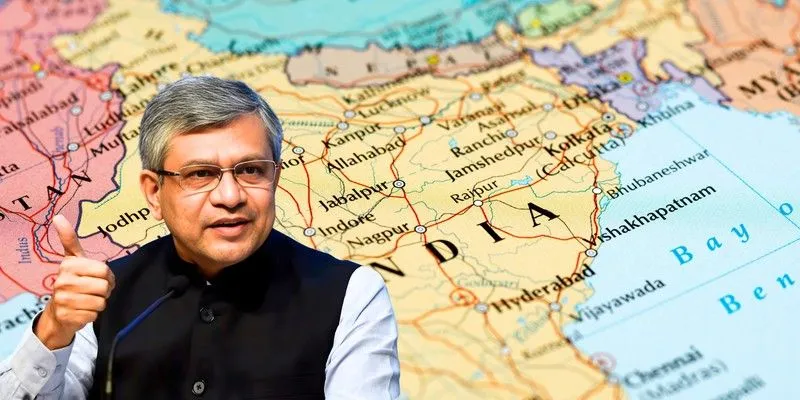
Electronics and IT Minister Ashwini Vaishnaw said AI-related job demand in India is rising 15–20 percent as industries transform to meet the new tech wave. Speaking at CII, he urged companies to partner with Nasscom for talent readiness. He also cited tax waivers for data centres until 2047, with about $200 billion investment underway, alongside new subsea cables and local AI server manufacturing.
Mekr Technologies, a New Delhi design-and-manufacturing startup, has raised Rs 67 crore in a Series A led by Avaana Capital, with Titan Capital Winners Fund participating. The funds will go into R&D, tooling, manufacturing automation and supplier localisation to improve export readiness. Mekr positions itself as an ODM platform merging engineering, prototyping, certification and mass production to reduce reliance on imported components.
Stay informed on the go
Bite-sized news from 100+ trusted sources, right in your pocket.
IPL 2026 is seeing a sharp drop on linear TV: ratings down 18.8% and average viewership down 26% in the first half, while digital engagement keeps climbing. Digital reach reportedly hits 515 million with massive watch time. Brand participation is also falling amid the fantasy gaming crackdown, while high-scoring, familiar pitches and tournament timing add to fatigue.
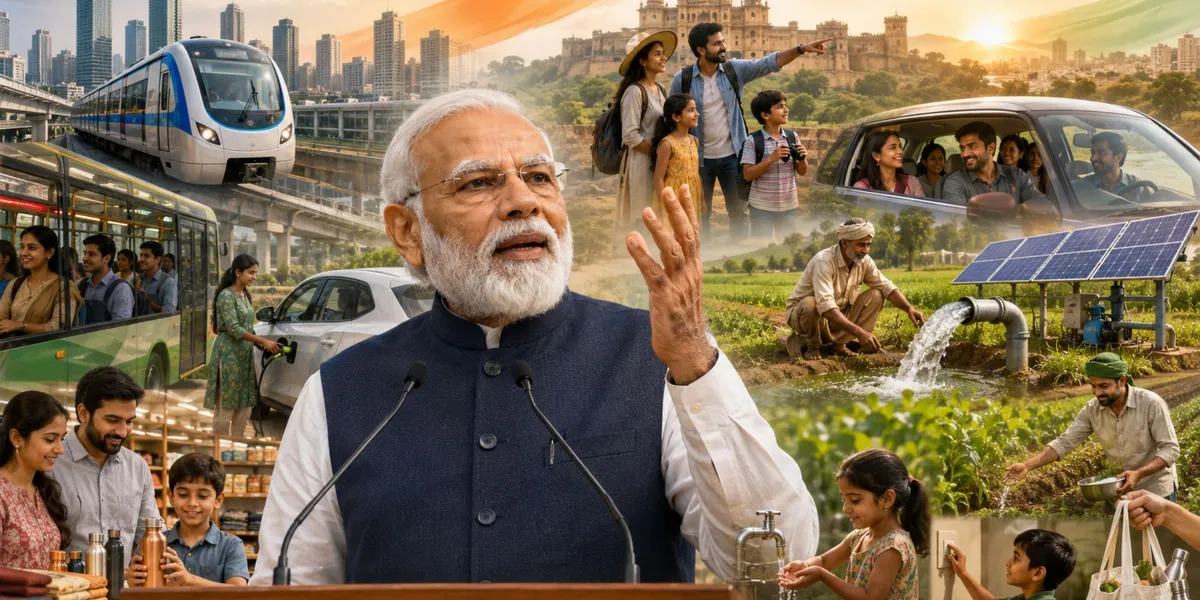
Amid global instability and energy concerns, PM Narendra Modi urged Indians to follow a seven-point set of lifestyle and spending shifts tied to “Viksit Bharat”. He called for cutting petrol and diesel use, avoiding non-essential foreign travel, buying Made-in-India, reducing gold and edible oil purchases, using less fertiliser, conserving water, and adopting Mission LiFE habits like saving electricity and avoiding single-use plastics.
Swipe through stories, personalise your feed, and save articles for later — all on the app.