India’s generic-drug dominance is being squeezed as the US and Europe push for newer, tougher-to-manufacture molecules under stricter FDA compliance. Instead of building plants, Hyderabad-based HRV Pharma is banking on “drug visas,” or FDA DMFs that act as regulatory licenses for exporting active ingredients. The company, which owns no factories, operates in 55 countries and holds 66 DMFs, charging other manufacturers for the regulatory work—turning compliance into a scalable asset.
As India’s monsoon season intensifies, metro construction sites across Bengaluru, Mumbai, and Pune are running into unexpected flooding and waterlogging along key corridors. From drainage gaps to disrupted timelines, contractors are forced to redesign schedules, rethink alignment choices, and manage recurring water risks. The result: delays that ripple into cost and commuter expectations.
Your news, in seconds
Get the Beige app — every story in 60 words, updated hourly. Free on iOS & Android.
Swiggy’s momentum in India’s quick-commerce race faces a hard reality check: profitability pressures, aggressive competition, and rising delivery economics. The question is whether yesterday’s growth and market gains can be defended—or if operational strain could flip a strong period into a costly reversal.
Foreign universities are revamping recruitment strategies as Indian student interest appears to cool. With traditional appeal losing steam, institutions are leaning on aggressive outreach, new partnerships, and sharper messaging to stand out in a crowded global education market, amid changing costs, visa realities, and shifting preferences among applicants.
Tata’s AI push includes a massive 4.7 billion investment tied to a company that remains largely under the radar. While the spotlight often goes to headline-grabbing projects, this quietly funded effort is building momentum behind the scenes. The size of the commitment raises questions about how quickly Tata plans to translate AI into real products and markets.
TVS Capital spent two decades honing a particular approach to investing, only to question it now. The firm is reportedly looking to change course—potentially rethinking how it picks companies, supports founders, and manages risk—after concluding that what once worked may no longer fit today’s market realities.
Never miss a story
Set alerts for the topics and sources you care about. Download Beige for free.
India approved $33 billion in support for BSNL, yet the telecom turnaround still lacks a full-time leadership mandate. The Ken points to the mismatch between immediate funding and governance, raising questions about accountability, decision speed, and whether reforms can actually accelerate without stable top-level direction. The result is a hesitant restart rather than a decisive restructuring.
Anthropic’s Mythos highlights how advanced AI agents can detect and fix complex operational issues in hours. The comparison is stark for Indian banks, which often take months to resolve similar problems due to legacy systems, approvals, and testing cycles. The gap points to rising pressure on banks to rethink automation, governance, and risk controls for faster recovery.
Zoho has been positioned as India’s new official email provider, sparking debate over two things: whether the platform can meet stringent security expectations and how it aligns with national identity and data sovereignty concerns. The move highlights the growing role of private cloud services in government communication—and the scrutiny they face before rollout.
Adani’s aviation strategy aims to build influence across India’s air-travel ecosystem without running an airline itself. The plan focuses on acquiring and expanding airport-linked and other infrastructure assets, potentially shaping how passengers move while avoiding direct airline risks. The approach raises questions about competition and concentration as the group expands within regulated aviation sectors.
Reading on mobile?
Open Beige in the app for a smoother experience — free on iOS and Android.
With Jio Studios, Reliance is pushing deeper into its media ambitions, aiming to close the last gap in its empire rather than just add another content label. The move signals a shift from distribution and platforms to in-house creation and control—using Jio’s scale and reach to tighten the loop from production to audience.
Groww and Angel One have shared a fresh investor pitch that blends equity funding with leverage. The core idea: secure a loan and use it to buy more stock as the firms push growth in brokerage and related financial services. The move signals a sharper capital strategy as competition and regulation intensify, and investors weigh risk against speed.
The Delhi and new Noida airport plans are pitted against each other not just on flights, but on the time cost of reaching them. While one side improves connectivity, the other forces passengers to navigate delays, access gaps, and longer commutes. The result: your total travel time may decide the winner more than routes do.
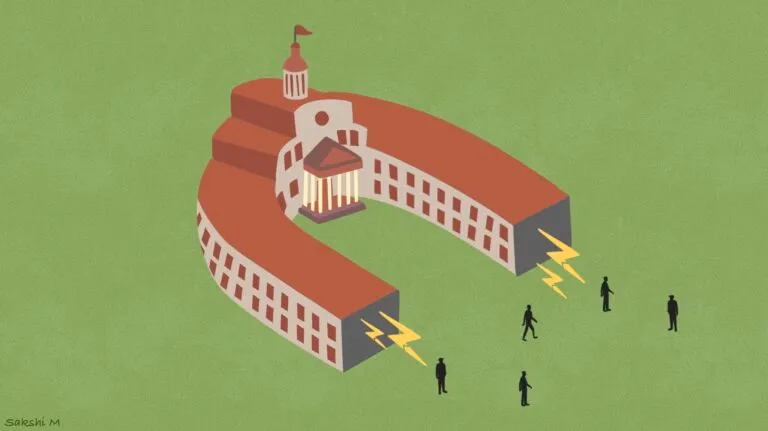
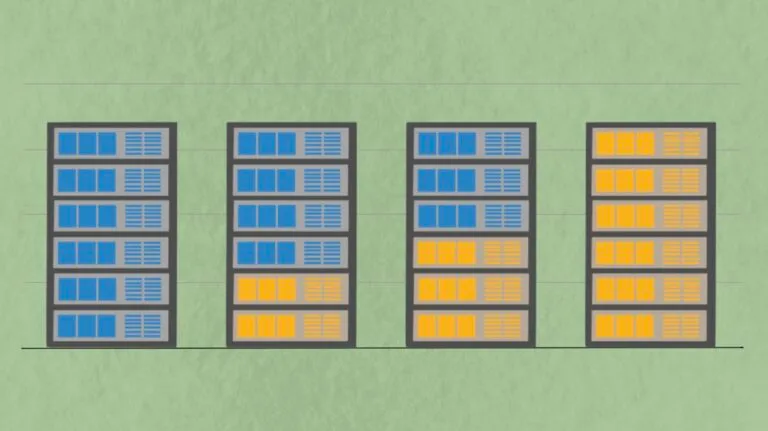
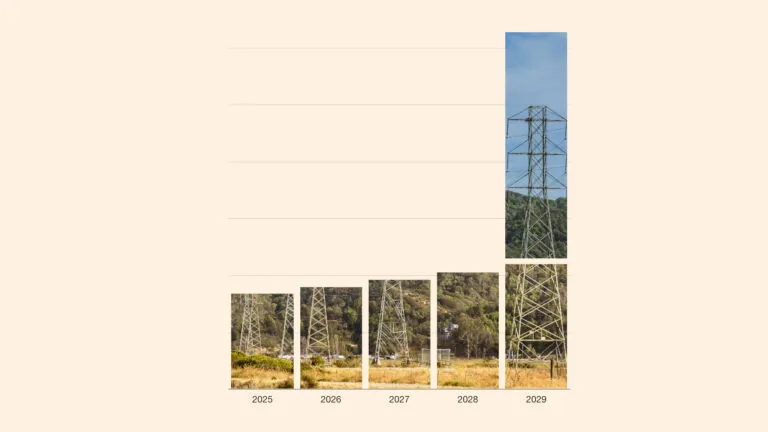
Google and Meta are reportedly building large data centres in Vizag, but questions are rising over whether the local power grid can handle the load. As hyperscale demand approaches, planners and utilities must align upgrades, timelines, and capacity—before growth turns into grid strain and costly delays for everyone involved.
Follow your favourite sources
Track sources, tags and categories — all in the Beige app.
India has poured billions into drones it largely doesn’t manufacture domestically, even as Indian-made systems find buyers overseas. The contrast raises questions about procurement choices, industrial capacity, and who actually benefits from defense and surveillance spending. With exports growing for some homegrown products, the mismatch between funding and production looks increasingly hard to ignore.
Libas is trying to change how fashion is bought by pitching its products and distribution model closer to FMCG—fast, repeatable, and widely available. The move is a bet that shoppers will buy clothing in a more habitual way, but the company faces a stubborn reality: most fashion brands struggle to reach scale or retail consistency.
An AI startup founder is betting big on an Nvidia-shaped roadmap, despite having only about $4 million in cash. The Ken story traces how the company’s strategy, hiring, and product timeline are being shaped by GPU economics and competition, and why the next milestone may determine whether the dream scales—or collapses quickly.
Since 2021, India’s business landscape has grown more concentrated as major conglomerates expand influence across sectors. A report tracking Reliance and Adani highlights how acquisitions, partnerships, and capital flows strengthened their grip, reshaping competition and shaping what consumers, suppliers, and regulators face. The trend points to a tighter corporate hold on key economic levers.
Stay informed on the go
Bite-sized news from 100+ trusted sources, right in your pocket.
Flipkart is reportedly preparing for another leadership reshuffle under Kalyan Krishnamurthy, described as a “musical chairs” move. The change signals more than routine management shuffling, pointing to a strategy to reassign responsibilities, recalibrate priorities, and tighten execution across teams. Industry observers read the timing as a response to mounting competitive pressure.
Swipe through stories, personalise your feed, and save articles for later — all on the app.