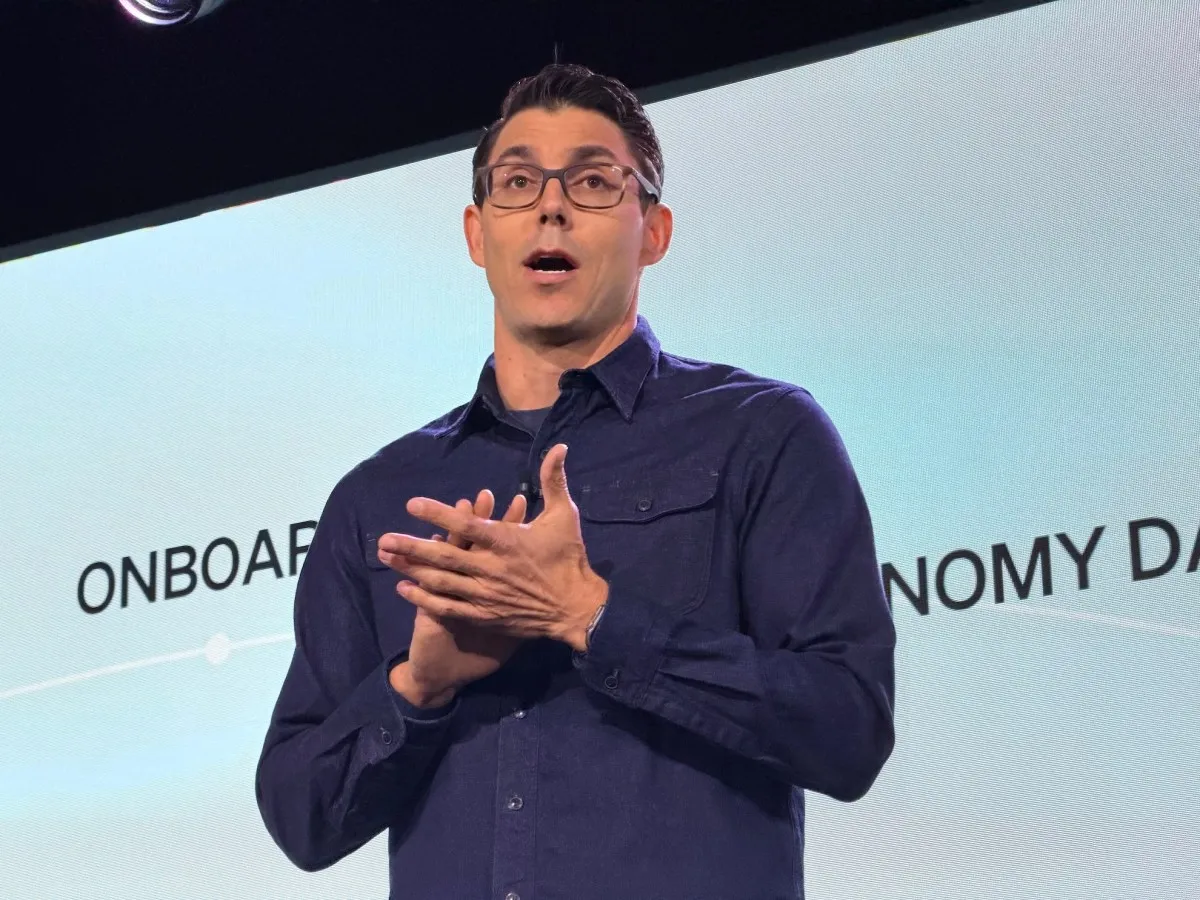
Serial founder RJ Scaringe has pulled in more than $12.3 billion across three startups in under a decade, with investors still lining up for his newest bet. His latest venture, Mind Robotics, just raised $400 million, following earlier momentum from his electric micromobility startup Also, which took in $105 million in 2025 and surpassed $300 million total. Partners say the edge is Scaringe’s rare talent for engineering plus product design, paired with crisp, credible storytelling that sells the idea, not the ego.
A hotel check-in platform called Tabiq exposed more than a million customer passports, driver’s licenses, and selfie verification photos on the open web after its operator, Japan-based startup Reqrea, left an Amazon cloud storage bucket publicly accessible. A security researcher discovered the leak by browsing the bucket using only its name “tabiq,” and TechCrunch alerted Reqrea and JPCERT. Reqrea later locked down the bucket, but said it doesn’t know how it became public or whether anyone accessed data beforehand.
Your news, in seconds
Get the Beige app — every story in 60 words, updated hourly. Free on iOS & Android.
Lake Tahoe, long a tech haven and vacation getaway for Silicon Valley, has less than a year to secure a new electricity provider. By May 2027, Liberty Utilities’ deal with NV Energy will end, and NV Energy plans to redirect its power to Nevada where data centers are rapidly expanding. While officials dispute blame, NV Energy has requests for over 22 gigawatts of load—about 40 times Tahoe’s peak—meaning traditional customers may pay higher prices amid tighter regional supply.
OpenAI has launched new personal finance features for ChatGPT Pro subscribers in the U.S., now available in preview. The tools let users connect accounts through Plaid, covering more than 12,000 financial institutions, and then view a dashboard tracking portfolio performance, spending, subscriptions, and upcoming payments. Users can ask questions about what changed in their spending or build plans for major goals. OpenAI says it will add Intuit support soon and can remove synced data and financial memories within 30 days.
Prices on the PJM Interconnection’s massive U.S. grid nearly doubled over the past year, rising to $136.53 per megawatt-hour from $77.78, according to Monitoring Analytics, the market’s independent watchdog. It points to data centers as the driver of surging load and says PJM failed to plan and execute in time. The monitor warns the damage to customers is “not reversible” and argues PJM’s supply and transparency gaps left capacity too tight for the near future.
After two days of high-level talks in Beijing, U.S. officials returning on Air Force One were ordered to surrender items brought from China, including staff burner phones, credential badges, and lapel pins. White House staffers and reporters reportedly had to throw the seized objects in a bin at the bottom of the plane’s stairs before boarding. The move suggests strict counterintelligence measures, with analysts pointing to the risk of bugged gifts and the targeting potential of newly issued burner devices.
Never miss a story
Set alerts for the topics and sources you care about. Download Beige for free.
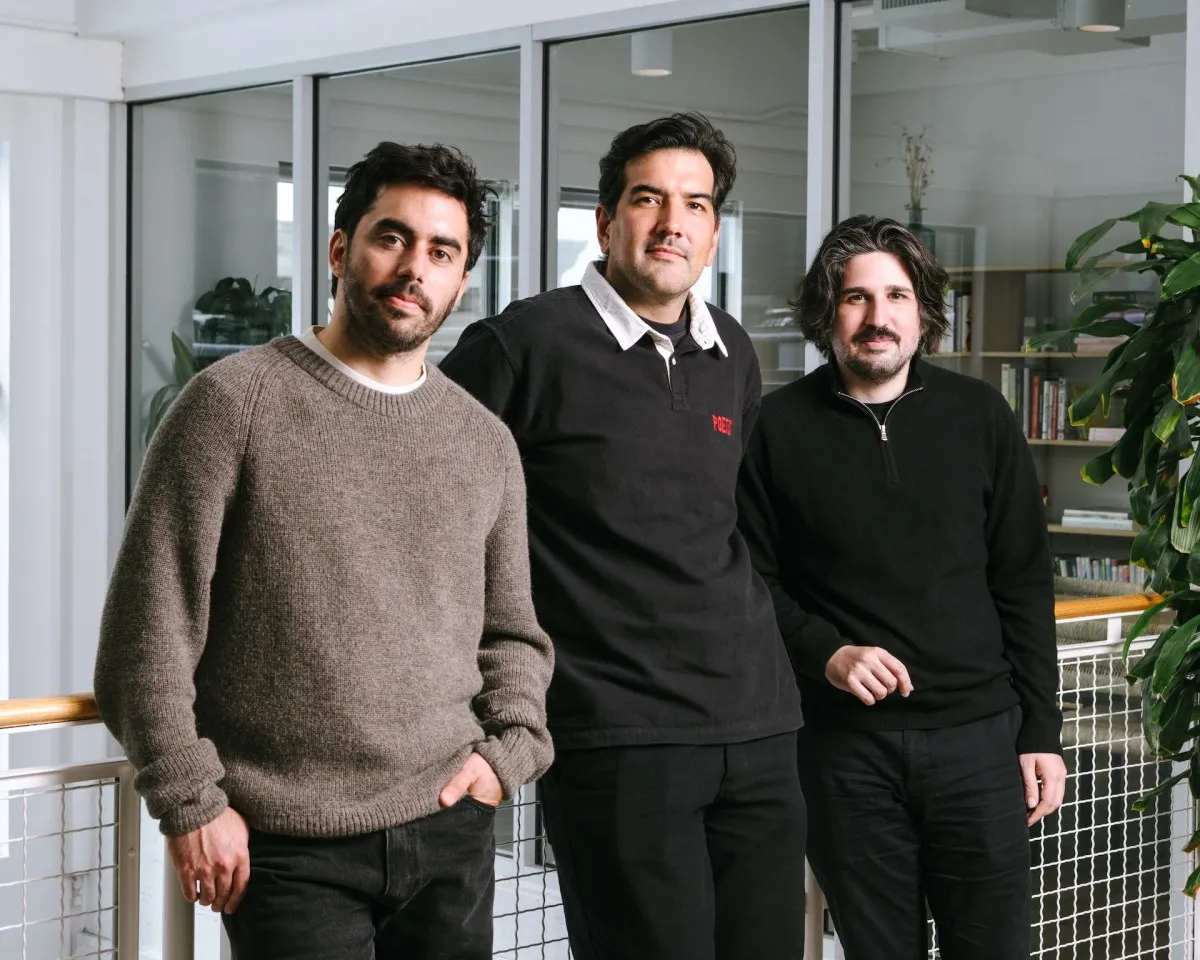
AI video-generation startup Runway is betting its next leap won’t be smarter text, but world models learned from real-world observational data. Founded in 2018 by three founders from Chile and Greece who met at NYU Tisch, the company built a reputation on video tools used by filmmakers and ad agencies, with partnerships including Lionsgate and AMC Networks. Now valued at $5.3 billion, Runway says it launched a first world model in December and plans another this year—taking aim at Google’s AI ambitions.
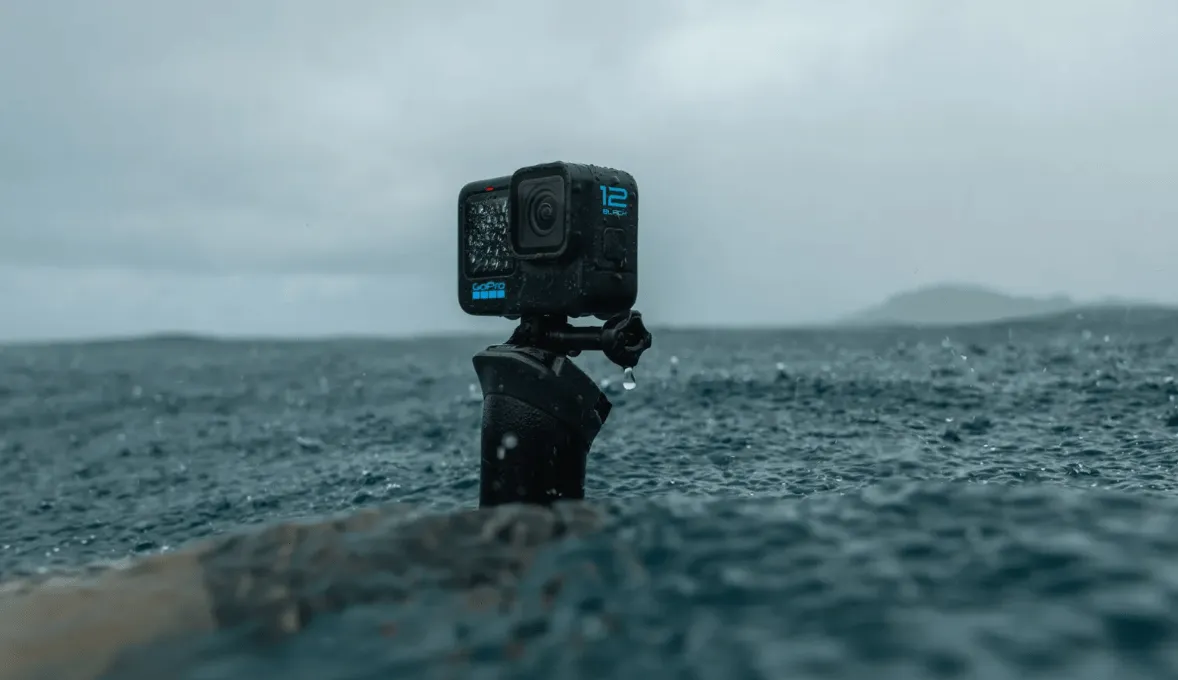
GoPro, once a consumer-tech darling, is shifting from action cameras to potential defense and aerospace work as it weighs strategic options that include a possible sale. The company’s board said it received unsolicited inquiries spanning defense, consumer, and financial parties, while earlier attempts to pivot to defense briefly lifted its stock before it slid again. Sales have been falling, losses rising, and GoPro has cut about a quarter of its workforce, leaving fewer than 600 employees.
Nine California jurors are deliberating in Elon Musk’s case against OpenAI’s founders and Microsoft, but the courtroom fight boils down to a few specific legal questions. Jurors must weigh whether OpenAI breached a charitable trust tied to Musk’s donations, whether executives were unjustly enriched via OpenAI’s for-profit arm, and whether Microsoft knowingly aided any breach. OpenAI counters with statute of limitations, unreasonable delay, and “unclean hands,” while both sides prepare hearings on what a plaintiffs’ win could mean for OpenAI’s structure.
SpaceXAI, Elon Musk’s newly rebranded merger of SpaceX and xAI, is reportedly losing significant talent. The Information says more than 50 researchers and engineers have left since February, including leaders tied to coding, world models, and Grok voice. Rivals such as Meta and Thinking Machine Labs are reportedly hiring away former staff, while SpaceXAI’s core pre-training team has dwindled to only a few people. The report cites burnout, leadership changes, aggressive deadlines, and possible retention issues tied to equity timing.
Reading on mobile?
Open Beige in the app for a smoother experience — free on iOS and Android.
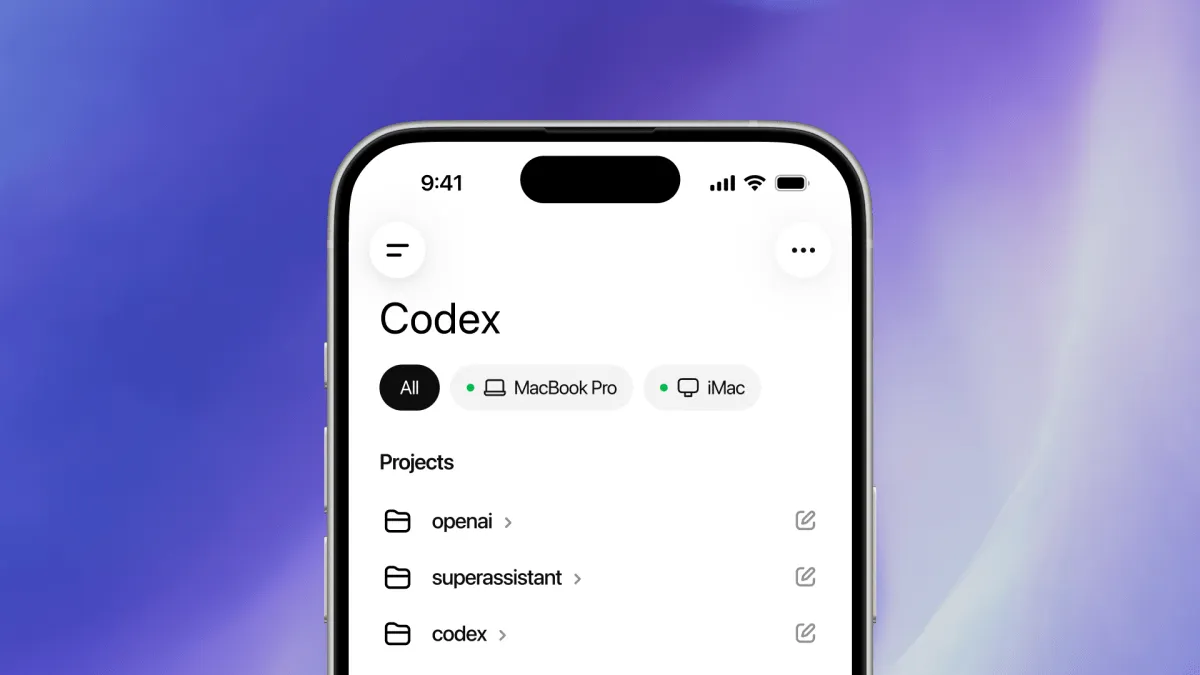
OpenAI says its Codex coding tool is going mobile, integrated directly into the ChatGPT app for iOS and Android. In preview now for all plans, users can monitor Codex’s live environments across any device where it’s running, review outputs, approve commands, change models, or start new threads from their phone. The move follows earlier Codex updates, including background desktop execution and a Chrome extension for live browser sessions—intensifying competition with Anthropic’s remote control features.
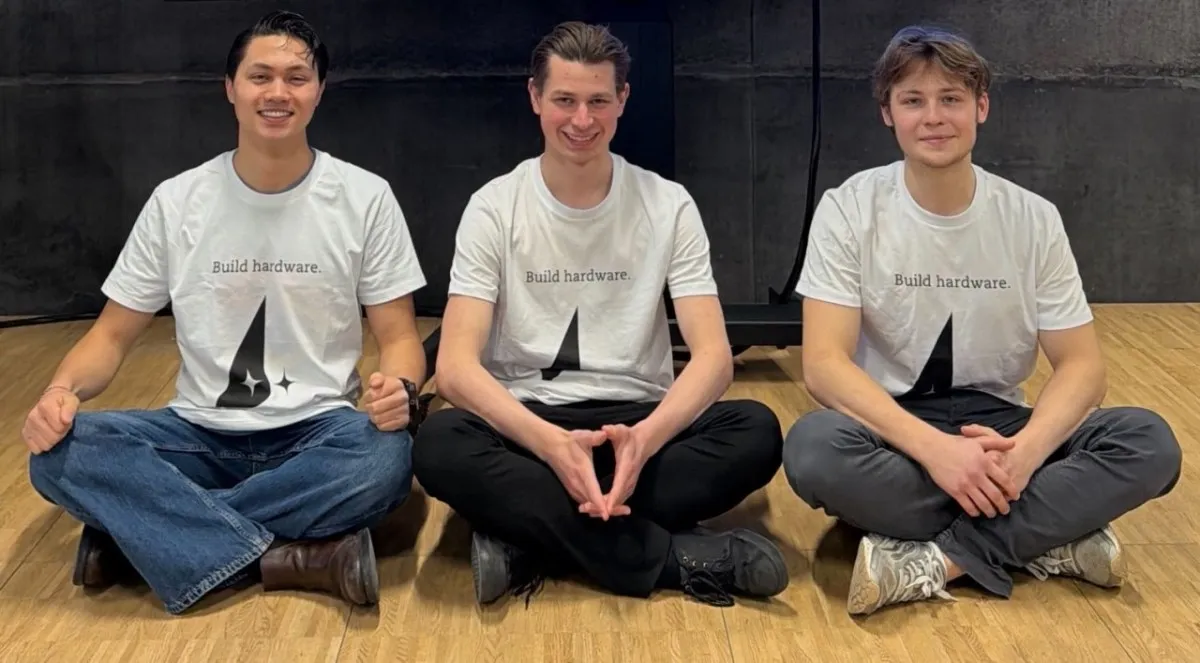
Lovable, the AI app-building platform, has backed Danish hardware startup Atech in an $800,000 pre-seed round that also included a16z’s scout fund, Sequoia Scout Fund, and Nordic Makers. Atech’s process is designed to feel like “vibe coding” for physical products: users buy a starter kit, open a site tab, describe their hardware concept to an AI chatbot, and get code to build a working prototype. The company says its audience spans from kids building cars to industrial hydrogen sensing needs.
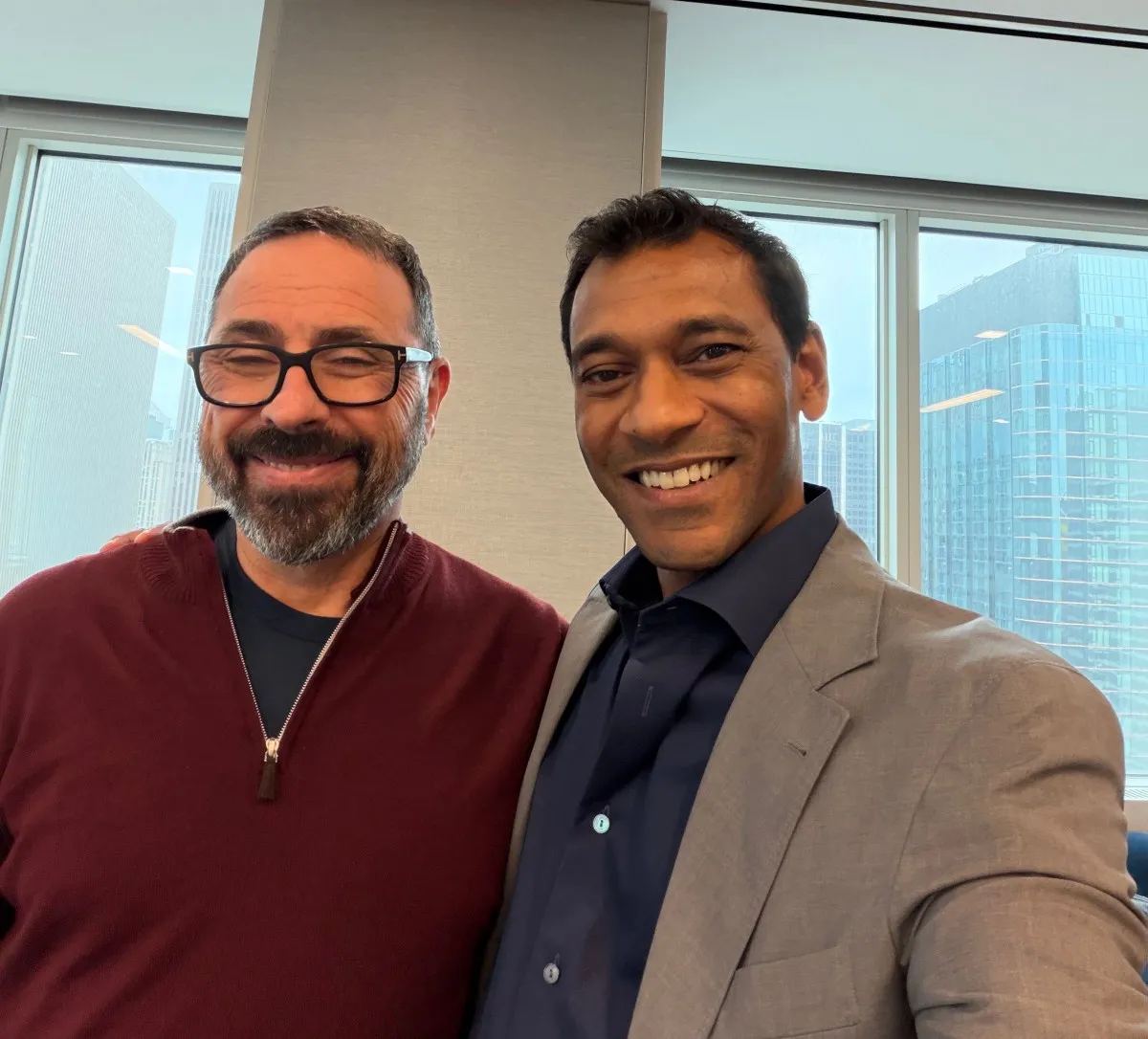
Cerebras Systems’ IPO delivered a windfall, including major gains for Benchmark, which holds 9.5% of the AI chipmaker. But the payoff traces back to one nearly-missed meeting: Benchmark partner Eric Vishria dragged his feet on an early pitch for a hardware startup he’d rarely funded. He even complained to his assistant about the calendar slot. After hearing the basics of Cerebras’ approach, he greenlit deeper review, ultimately backing a team that spent years solving extreme engineering hurdles.
Richard Socher’s new startup, Recursive Superintelligence, has raised $650 million and says it’s building a recursively self-improving AI that can diagnose its own weaknesses, redesign itself, and validate the changes automatically. Socher argues this is more than “AI auto-research”: the full cycle of ideation, implementation, and validation would be automated, starting in AI research and eventually extending to physical tasks. The team is drawing on open-endedness and multi-agent “rainbow teaming” safety methods from deep research labs.
Follow your favourite sources
Track sources, tags and categories — all in the Beige app.
YouTube says viewers watch more than 2 billion hours of YouTube Shorts on TVs each month, even though the format is designed for smartphone portrait viewing. YouTube frames the living room as its fastest-growing screen and says TV search can pull viewers into checking Shorts they didn’t intend to watch. To fit the big-screen experience, YouTube is adding side-by-side comments. The shift is spilling into video podcasts, with living room podcast hours climbing sharply in 2025.
Cerebras pulled off a blockbuster IPO, raising $5.5 billion and pricing shares Wednesday night at $185—well above its earlier range that stretched from $115 to $125, later revised upward. The offering grew to 30 million shares, and pre-market trading suggests a sharp opening pop driven by retail demand. At the IPO price, the company’s fully diluted valuation lands at $56.4 billion. The turnaround follows an earlier CFIUS roadblock and a major revenue and profit swing in 2025.
OpenAI says hackers stole limited credential data from a small subset of internal source code repositories accessed by two employees, after a supply chain attack affected their devices. The company reports no evidence that user data, production systems, intellectual property, or existing software installations were compromised. OpenAI traces the incident to an earlier TanStack open source breach, where attackers published 84 malicious software versions over a six-minute window. OpenAI is rotating signing certificates as a precaution, requiring macOS updates.
Spotify says it will adopt Apple’s HLS streaming technology for video podcasts, enabling Spotify-hosted shows to distribute and monetize on Apple Podcasts without requiring creators to rework their current setup. HLS dynamically adjusts video quality in real time based on a listener’s network speed, aiming to reduce buffering and avoid sudden quality drops. Spotify plans a rollout later this year and is pairing it with expanded creator earning tools, plus partner integrations. Separately, Spotify says Libsyn and others can publish directly to Spotify.
Stay informed on the go
Bite-sized news from 100+ trusted sources, right in your pocket.
Likely Russian government hackers attempted to compromise a security researcher known for investigating spyware attacks, including efforts to hijack Signal accounts. Instead of being taken by surprise, the researcher reversed the intrusion and uncovered new details about the hackers’ espionage campaign. The case highlights how sophisticated targeting can extend beyond victims to the investigators studying them.
Ian Crosby, reeling from Bench Accounting’s 2024 shutdown and sale for scraps, is raising $10 million for a new venture called Synthetic. The company aims to deliver a fully autonomous AI bookkeeper for startups, producing accrual-based financials without human involvement. Though the product is still in design and Crosby admits it may not yet be technically possible, Khosla Ventures is leading the Seed round, arguing that founders can grow from past failures.
Swipe through stories, personalise your feed, and save articles for later — all on the app.