





























Stories from earlier this week and beyond.
As India’s cess is set to be abolished, automakers and dealers are scrambling because dealers have already paid the cess on their existing vehicle inventories. With recovery of that paid cess looking bleak, supply and delivery plans are being disrupted, forcing automakers to slow deliveries while dealers absorb stalled stock and losses.
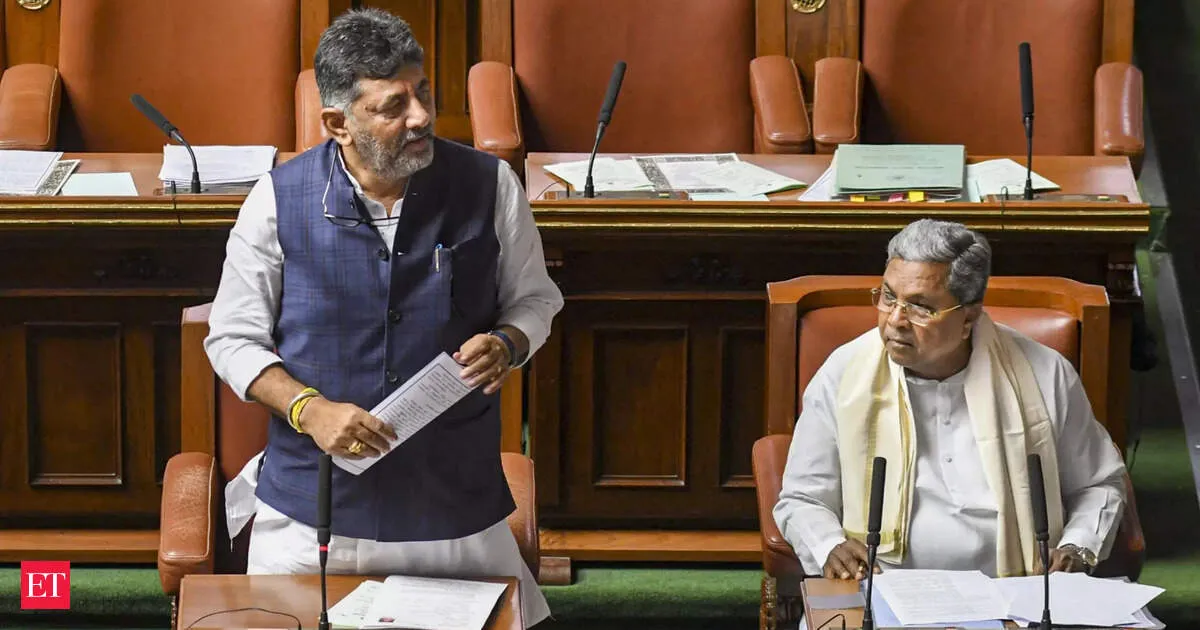
Karnataka’s new job reservation bill, announced by Siddaramaiah, reserves roles for local candidates and has already triggered Nasscom’s backlash, especially from major employers like Google and Intel. The law is enforced through a nodal agency, with penalties ranging from ₹10,000 to ₹25,000 and daily fines for repeat violations. Companies may need training plans, exemptions, and must keep 25% management and 50% non-management reserved slots.
Your news, in seconds
Get the Beige app — every story in 60 words, updated hourly. Free on iOS & Android.
Indian government bonds surged Wednesday, with the 10-year benchmark yield recording its sharpest drop in four years. Investors benefited as oil prices fell after a two-week U.S.-Iran truce, reducing inflation pressure. The rally continued despite the RBI holding its policy rate unchanged, reinforcing confidence in the current monetary stance.
In a rare move, SEBI implicated officials from another regulator in an insider trading case involving IEX. Investigators found a nexus between regulated entities and a CERC official that allegedly enabled unlawful gains exceeding INR 172 crore. The probe highlights an unusually direct modus operandi, marking the first time SEBI has linked another regulator’s officials in such a case.
Oil prices crashed nearly 10% after Iran said the Strait of Hormuz was completely open during a US-Iran ceasefire. Brent crude and West Texas Intermediate fell sharply as perceived shipping risk eased. While the immediate shock faded, analysts warn volatility could return quickly if tensions flare or communications about access change.
The Indian rupee surged nearly 1.8% against the US dollar on Thursday, marking its strongest single-day gain since September 2013. The rally followed fresh Reserve Bank of India regulations designed to curb speculative trading. With banks adjusting positions after the new rules, traders expect the rupee to move within a narrow range next week rather than keep climbing.
Never miss a story
Set alerts for the topics and sources you care about. Download Beige for free.
Private asset reconstruction companies are steadily losing market share, with their total AUM projected to dip 4%–6% to about INR 1.05 lakh crore this fiscal after a 15% fall last year. Meanwhile, government-backed NARCL is emerging as the preferred buyer and resolver of stressed assets, reshaping who gets the most bad-loan business.
India is in discussions with cryptocurrency exchanges to understand how trading activity is evolving, a top tax official said. The move aims to build oversight over newer crypto products while ensuring tax compliance as regulations and market practices shift. The government wants clearer insight into transactions and activity patterns, rather than reacting after the fact.
Flights to major Middle East hubs including Dubai and Abu Dhabi have been suspended, triggering widespread disruption for international passengers. Travel between India and regions such as Europe, the US, and Africa is being hit as thousands are left stranded. Airlines are attempting to reroute travelers, but the sudden network break is severely denting global air travel operations.
Oil prices have remained surprisingly stable despite Opec production cuts and West Asia tensions. The usual expectation of higher costs hasn’t materialized, pointing to a shift in how the market is absorbing supply signals. Traders appear to have already priced in key risks, while changing expectations about demand and available supply are dampening the impact.
Reading on mobile?
Open Beige in the app for a smoother experience — free on iOS and Android.
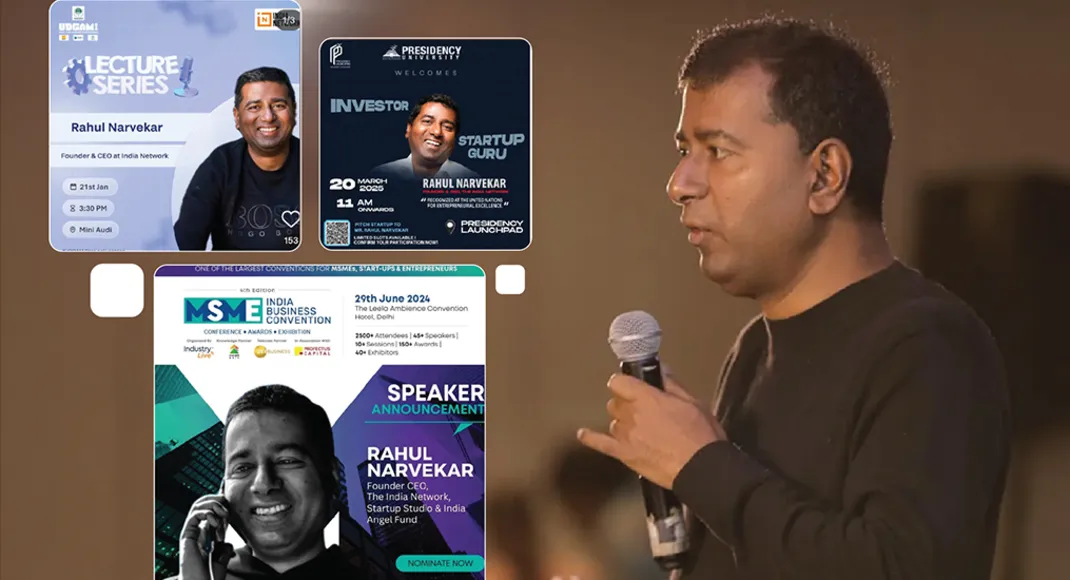
From Chandigarh to Bengaluru and Jammu to Mumbai, investors and entrepreneurs say Rahul Narvekar’s India Network used a promise of startup growth followed by a sudden disappearance, leaving many with mounting losses. The most striking twist: despite allegations and harmed backers, he continues to be invited as a speaker at startup events, including in smaller towns.
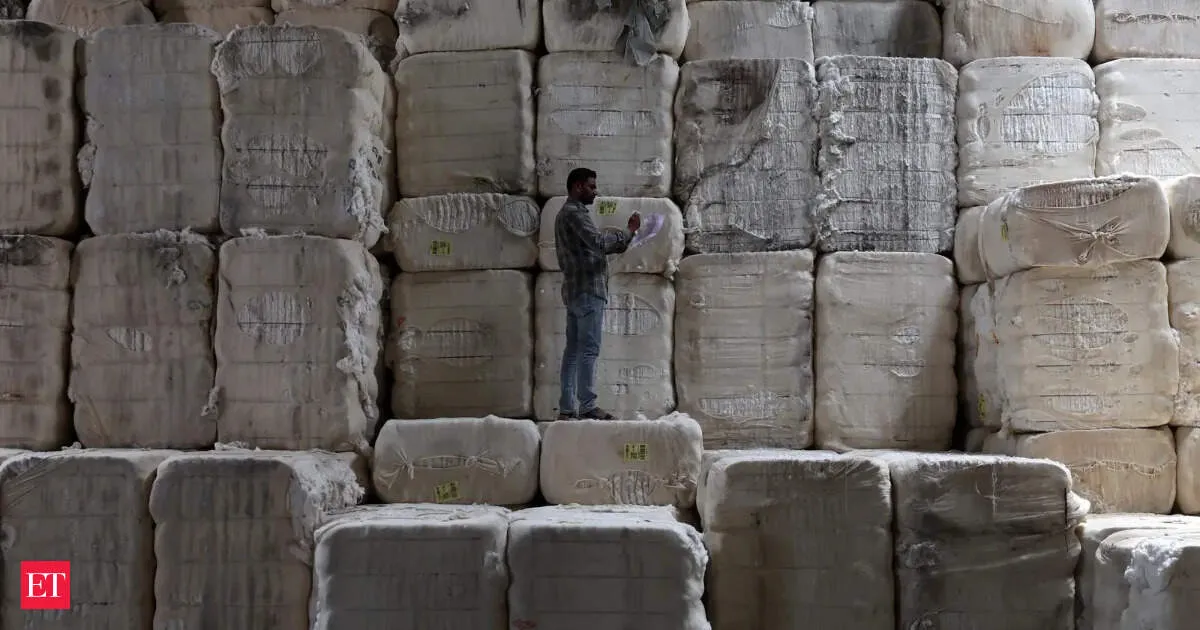
Indian cotton yarn factories are boosting production after Middle East conflict disrupted global trade routes. With the rupee weaker, Indian yarn has become more cost-effective for Chinese buyers, driving demand. Gujarat mills are gaining most due to their access to cotton and nearby ports, and many shipments are already booked months in advance to capitalize on the export surge.
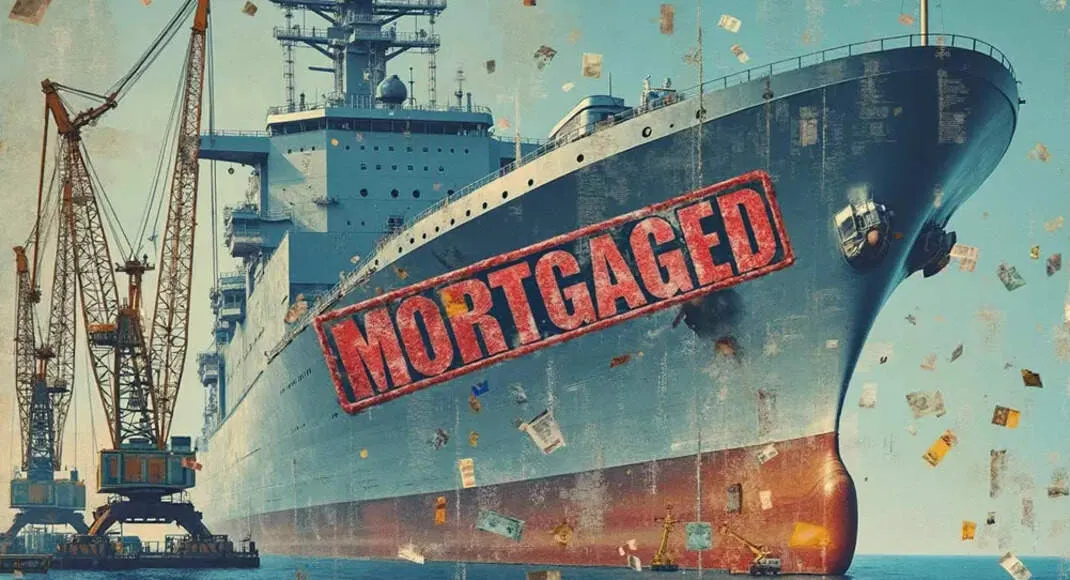
India’s updated shipping law has replaced the decades old 1958 framework, but banks remain unable to treat vessels as collateral. The gap is keeping credit from reaching shipowners and slowing financing that could modernize fleets and strengthen ports. The big question: can lending rules catch up with policy so India can truly position itself as a maritime hub?
SpiceJet, India’s oldest private airline, is rapidly deteriorating operationally and financially. With capacity sharply reduced, the carrier has begun furloughs and is delaying salaries for employees by up to two months or more. Unpaid dues including GST, TDS, and PF are also accumulating, deepening uncertainty for staff and stakeholders as the airline hunts for a lifeline.
Follow your favourite sources
Track sources, tags and categories — all in the Beige app.
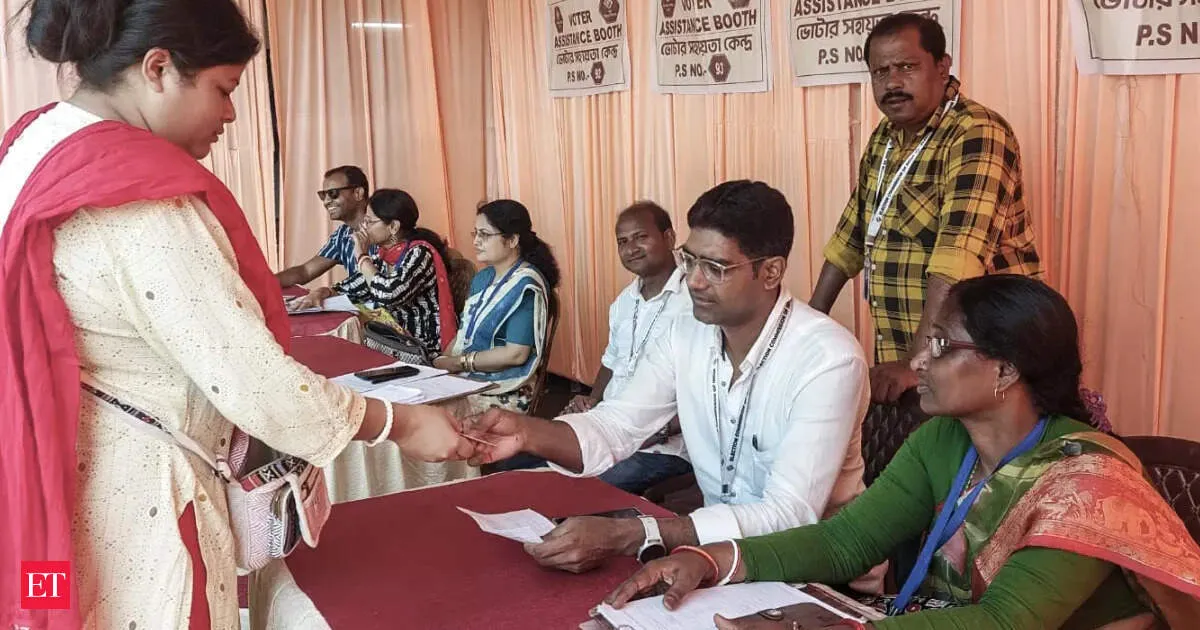
After strong voter turnout in West Bengal’s first phase, the Supreme Court has ordered appellate tribunals to fast-track urgent additions to voter lists. People left out of the rolls can seek redressal through 19 appointed tribunals. The court will later consider broader questions about the right to remain on electoral rolls, tightening access to voting.
Through 2025 up to August, Ather and Hero have overtaken early laggards, while Honda—despite leadership in petrol scooters—has failed to attract buyers for its first electric model. Since 2022, the e-scooter market has seen rapid brand swings even as monthly volumes more than tripled from around 30,000 to over 100,000 units.
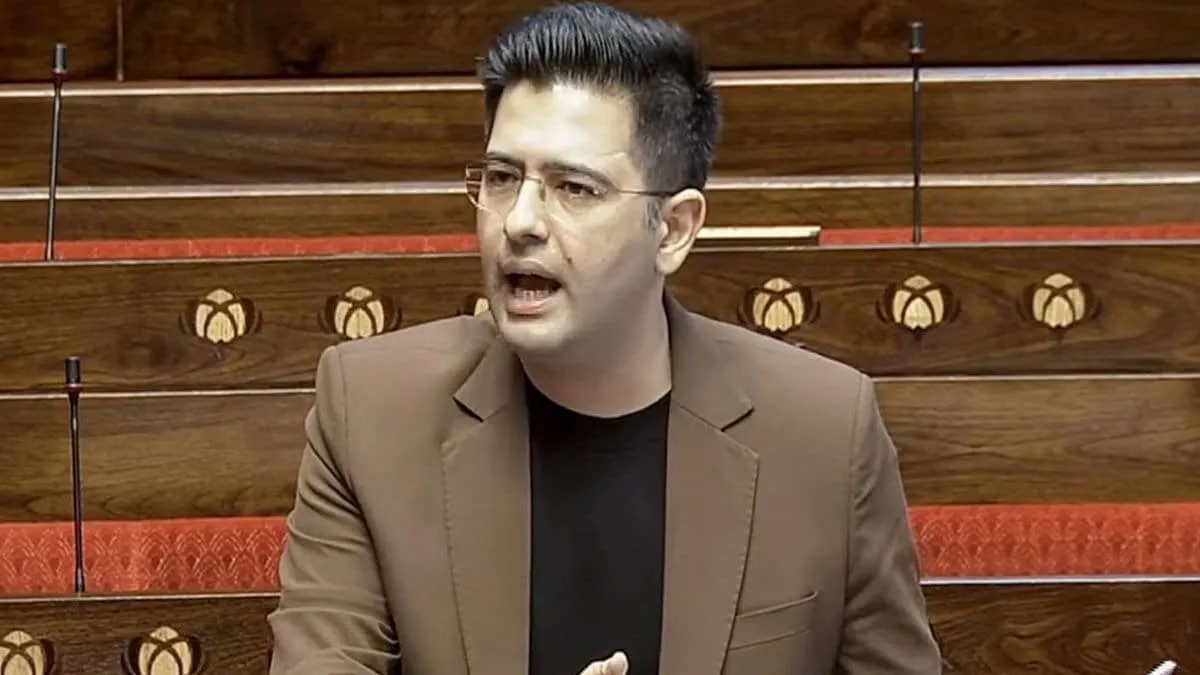
Rajya Sabha MP Raghav Chadha has quit the AAP along with seven MPs and announced they are joining the BJP, claiming they now hold a decisive 2/3rd majority. Chadha said he is the “right person in wrong party,” setting off fresh questions about internal fractures within AAP and the next political alignment in Parliament.
Kush Maini completed his first official Formula 1 test of the 2026 season with BWT Alpine at Circuit Zandvoort. The milestone comes as India’s government explores ways to revive Formula 1 in the country, with Maini—India’s lone current representative on the F1 ladder—quietly building momentum on the global stage.
Stay informed on the go
Bite-sized news from 100+ trusted sources, right in your pocket.
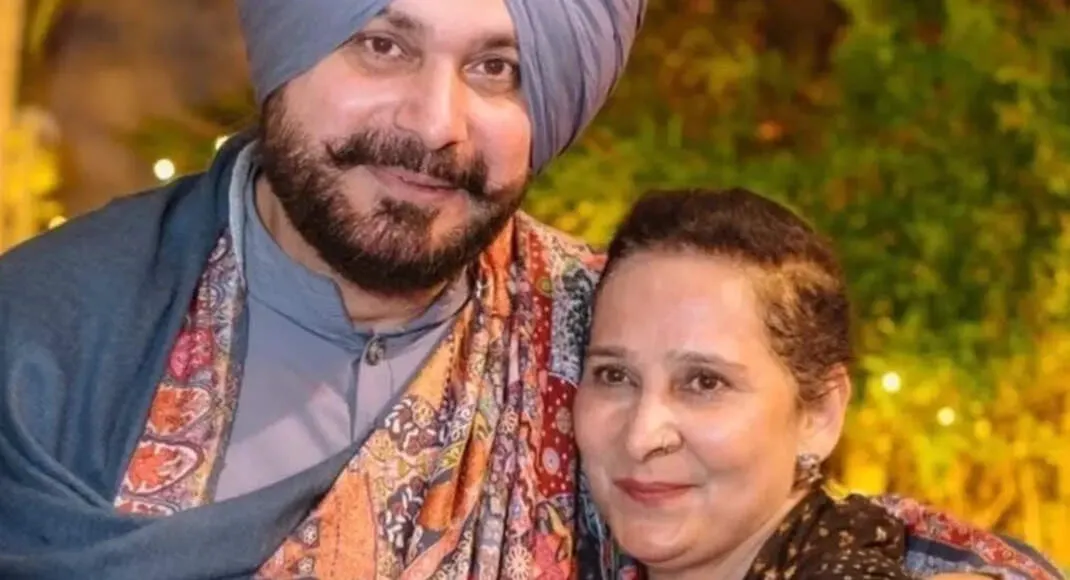
Navjot Singh Sidhu stirred controversy after claiming his wife’s advanced-stage cancer was cured using alternative remedies. His remark that fasting could kill cancer cells drew sharp criticism online. ET Prime consulted experts who cautioned that such ideas can mislead patients, risk delaying evidence-based care, and spread dangerous misconceptions about cancer treatment.
India is positioning itself to lead the 6G revolution, but the path is far from smooth. From aligning research timelines and talent pipelines to securing the right spectrum and building industrial scale, multiple gaps could slow progress. The key question is whether current plans can translate ambition into real 6G readiness before global rivals lock in leadership.
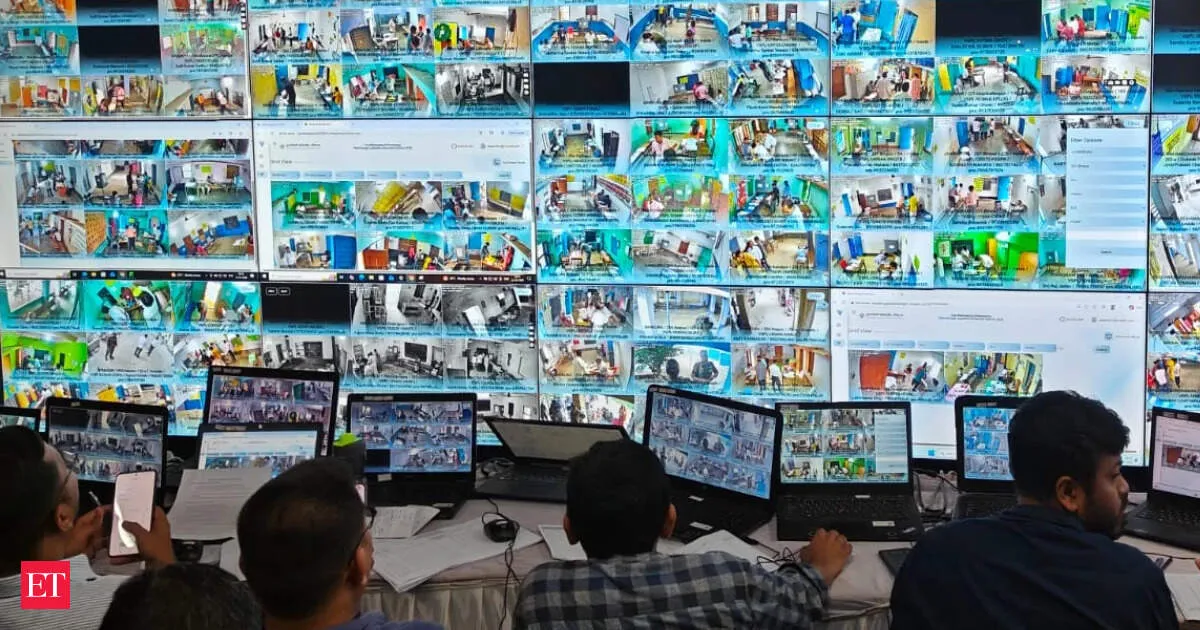
West Bengal’s Assembly elections are drawing heavy voter participation in the early hours, outpacing the turnout pace seen in the 2024 Lok Sabha polls. Voting is underway across multiple regions, including high-stakes contests involving prominent leaders. Still, reports of violence and technical glitches are emerging. The campaign debate is increasingly centered on electoral roll revisions, unemployment, and corruption claims tied to jobs.
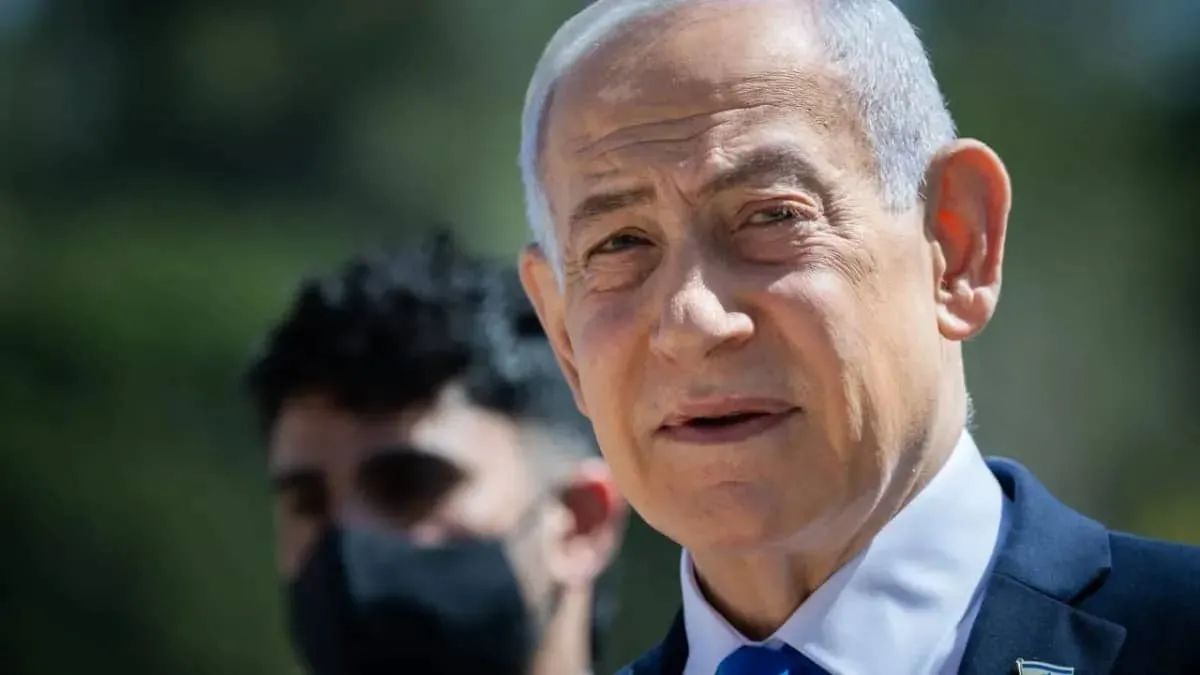
Prime Minister Benjamin Netanyahu said he has successfully completed treatment for early-stage prostate cancer. The disclosure appeared in his official annual health report, delayed by two months amid the ongoing regional conflict involving Iran and its proxies. Netanyahu framed the update as a health matter already addressed, with the public notice arriving only after the report’s postponement.
AI fashion backend startup STCH, founded by ex-Zetwerk executives, says it raised $5.5 Mn in its Pre-Series A round led by Omnivore, with Kae Capital and WVC. The update came after an earlier $7 Mn figure. The company plans to expand AI capabilities, build its fabric R&D lab, and scale a CDMO platform that recreates fabrics in about 45 days.
Mumbai High, once a flagship asset for India’s energy sector, is seeing production fall sharply. ONGC is now betting on a partnership with BP, drawing on BP’s track record of boosting output at Iraq’s Rumaila oilfield. The move aims to slow decline in ageing wells and restore steadier production, but execution risk remains high.
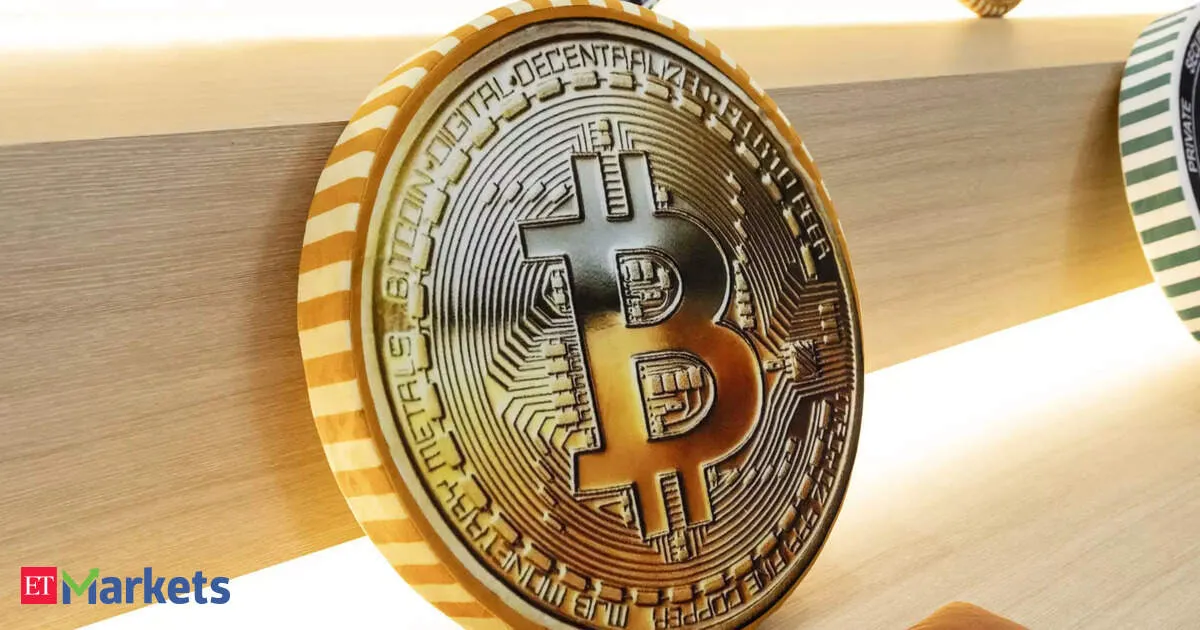
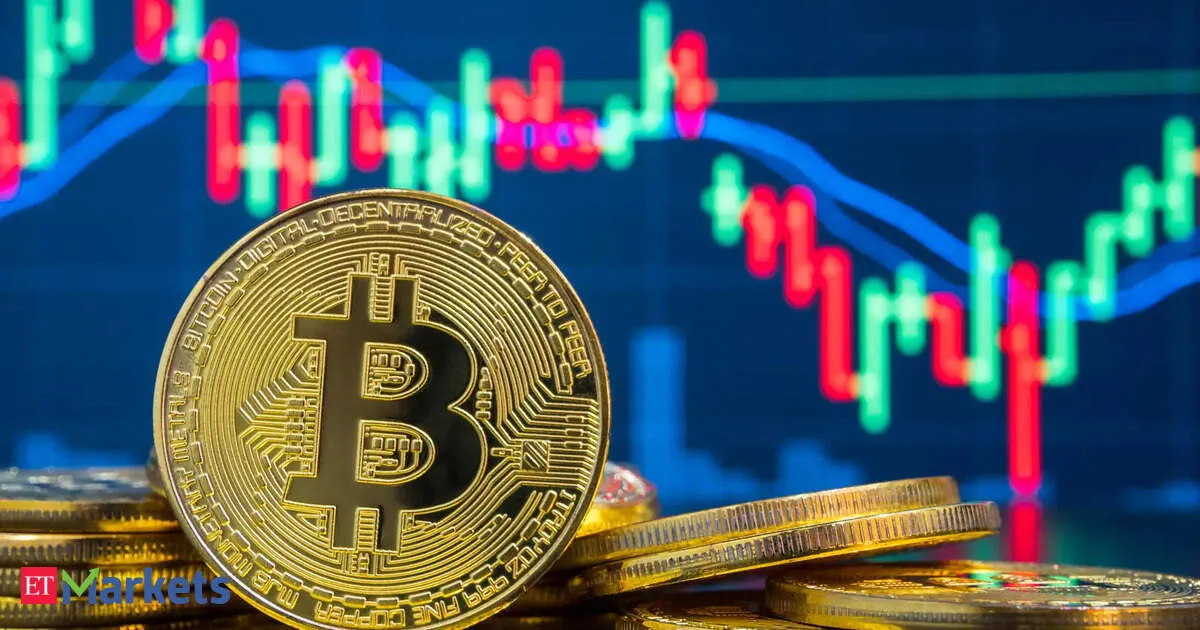
Bitcoin whales have accumulated about 53,000 coins in the past week, their biggest buying spree since November, helping steady prices after weeks of sell-off. Yet wider caution among investors and net selling by large holders over the past year suggest this may be damage control, not a fresh wave of conviction.
Banks have largely stabilized their balance sheets by moving away from industrial stress and focusing on retail lending, easing the NPA crisis. But the unintended fallout is a squeeze on credit flow to smaller businesses and firms that create jobs, raising concerns about growth and employment as credit shifts to consumers instead.
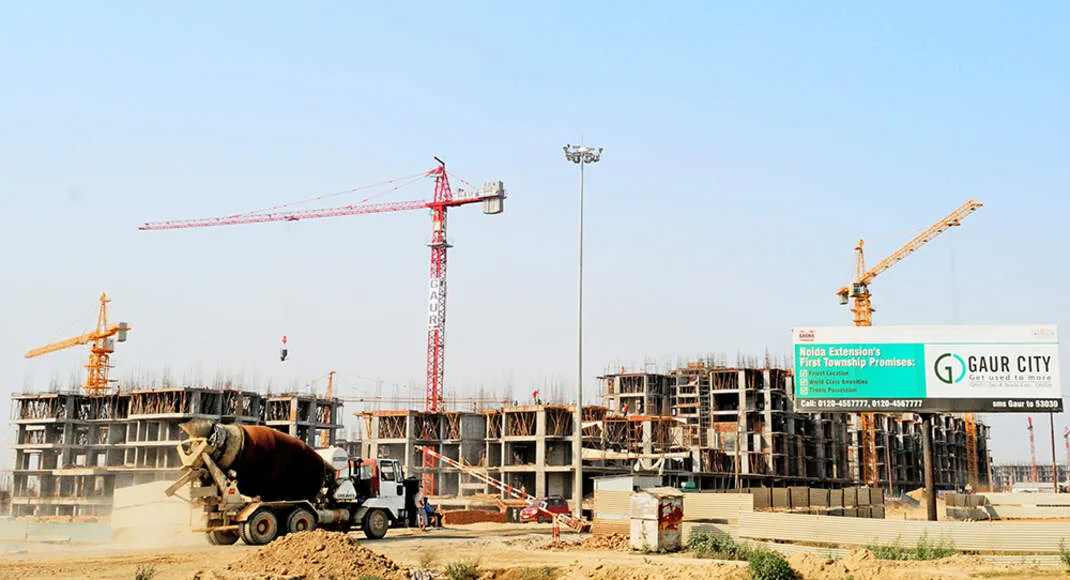
Mumbai’s one-BHK craze tempted Delhi-area builders to push the same format across NCR, but 2019 saw the lowest launches and absorption in a decade. The problem wasn’t demand—it was choice. Buyers gravitate toward bigger homes when they’re available at close to one-BHK pricing, leaving smaller units stuck in oversupply despite the headline affordability.
The Union Budget makes tax collection simpler by revising Tax Collected at Source (TCS) rates and easing parts of the TDS framework. A key relief comes from a lower 2% TCS on education, medical, and tour packages below ₹10 lakh—expected to reduce upfront payments for overseas travelers, students, and people arranging medical treatment abroad.
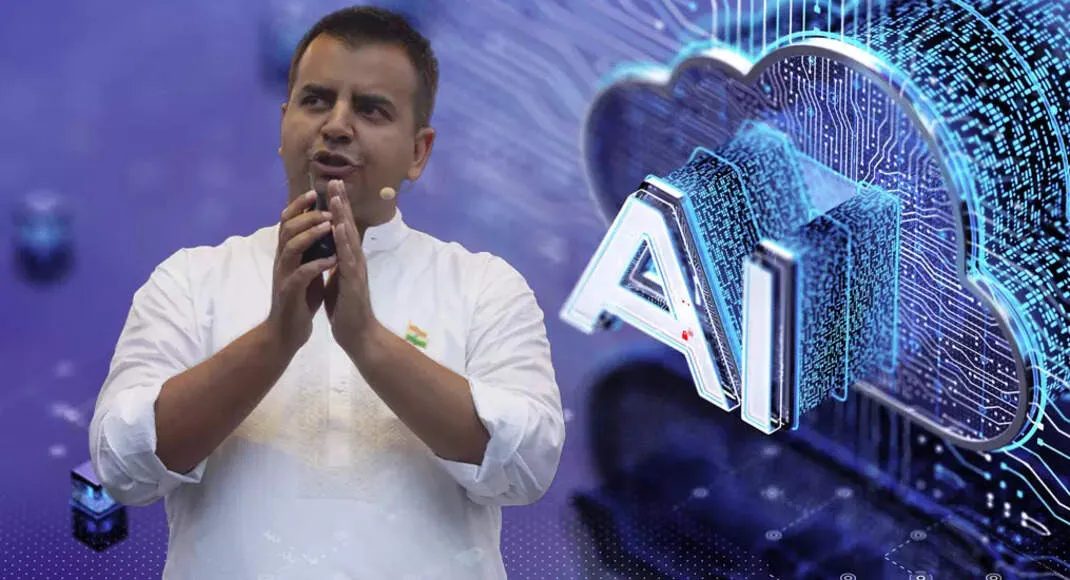
Krutrim, touted as a flagship of India’s AI push, is entering a high-stakes phase. After restructuring and delays in product maturation, the company is being forced to rethink its strategy amid rising funding pressure. Once positioned to compete globally, it now faces a make-or-break survival test in a harsh frontier-tech market.
Markets fell for a second consecutive day as sharp price swings hit several high-attention names including Kaynes Technology, Swiggy, SpiceJet and Coforge. Selling pressure in IT and auto-linked stocks pulled headline indices lower, amplifying volatility across the session and keeping investors focused on the week’s next catalysts.
Bangladesh is facing scorching 40C temperatures alongside frequent power outages as demand for electricity outstrips limited generation capacity. The strain is worsened by fuel shortages tied to the ongoing conflict in the Middle East, disrupting supply. With the grid under pressure, the government is resorting to controlled load-shedding to keep essential services running and reduce strain.
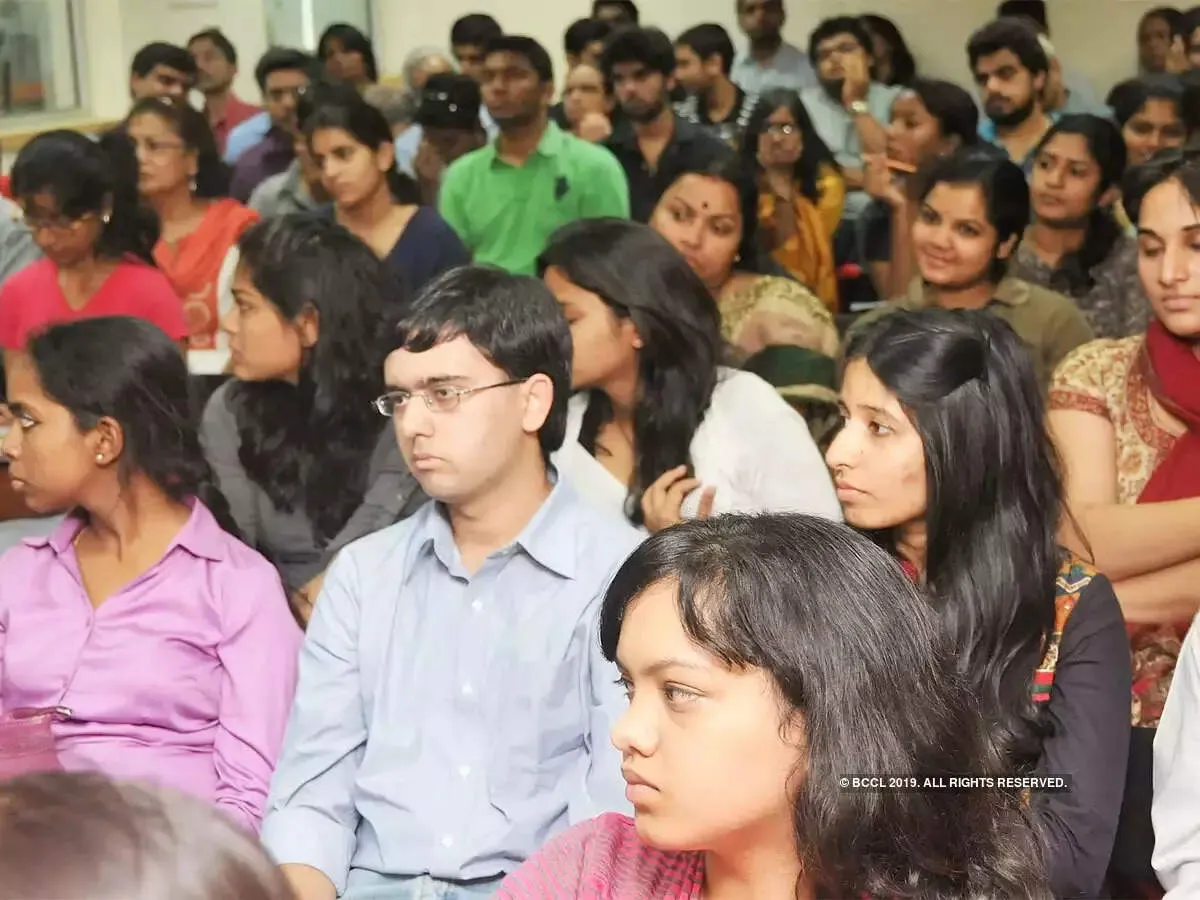
Indian students are increasingly picking Spain, Germany, Singapore, UAE and South Korea as affordable, high-quality study options. While the US still attracts many, the choice set is broadening due to visa norms, clearer employment pathways and stronger focus on student safety. The shift is also seen as delivering a stronger return on investment overall.
The Education Ministry told the Rajya Sabha that the number of Indian students going abroad for higher education has been steadily declining for the past three years. Officials say the focus is shifting to strengthening domestic universities through NEP 2020, including better infrastructure and more research. The government is also inviting foreign universities to set up campuses in India.
India is moving toward digital radio broadcasting, aiming to upgrade how stations deliver audio to listeners. The push raises urgent questions about rollout readiness, device availability, and network coverage across cities and rural areas. While the promise is clearer sound and better services, the real test will be whether audiences can switch smoothly.
Japanese researchers say a medicine designed to regrow teeth is moving toward human clinical trials. The breakthrough could shift dental care from treatment and replacement toward true regeneration, offering hope for people affected by decay and tooth loss. While early, the planned studies mark an important step from lab results to real-world testing in patients.
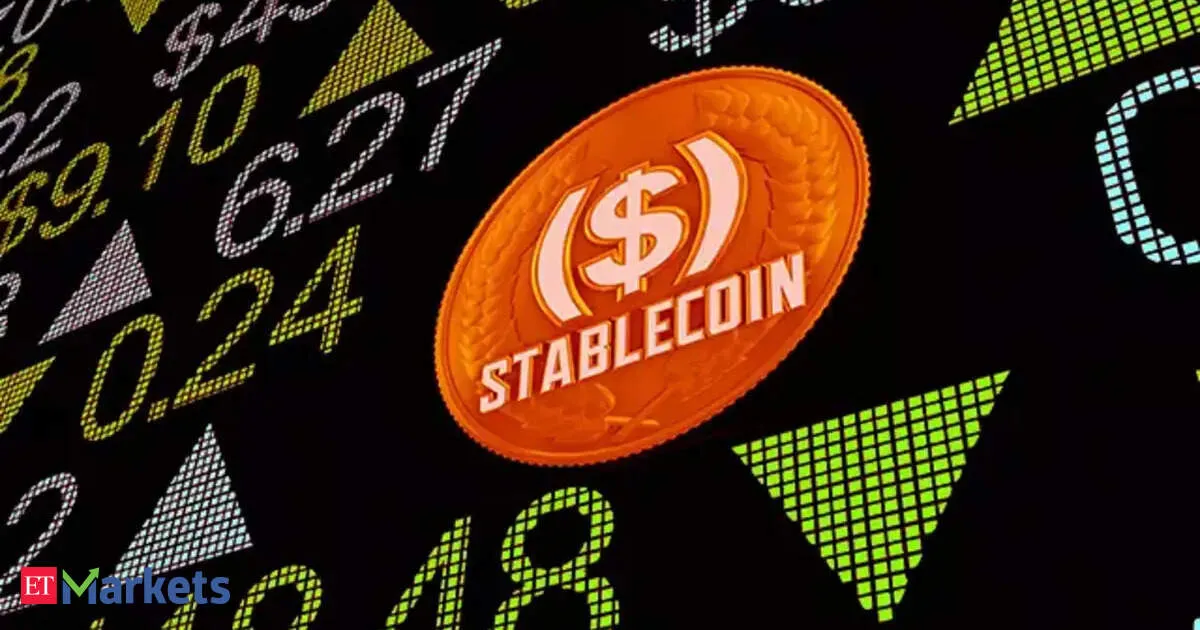
Stablecoin transactions surged to a record $33 trillion in 2025, fueled by US policy support under President Trump and fast-growing institutional adoption. USDC led with $18.3 trillion in flows, beating Tether’s USDT. Crucially, stablecoin usage is rising outside DeFi, suggesting broader mainstream demand for “digital dollars” amid ongoing global uncertainty.
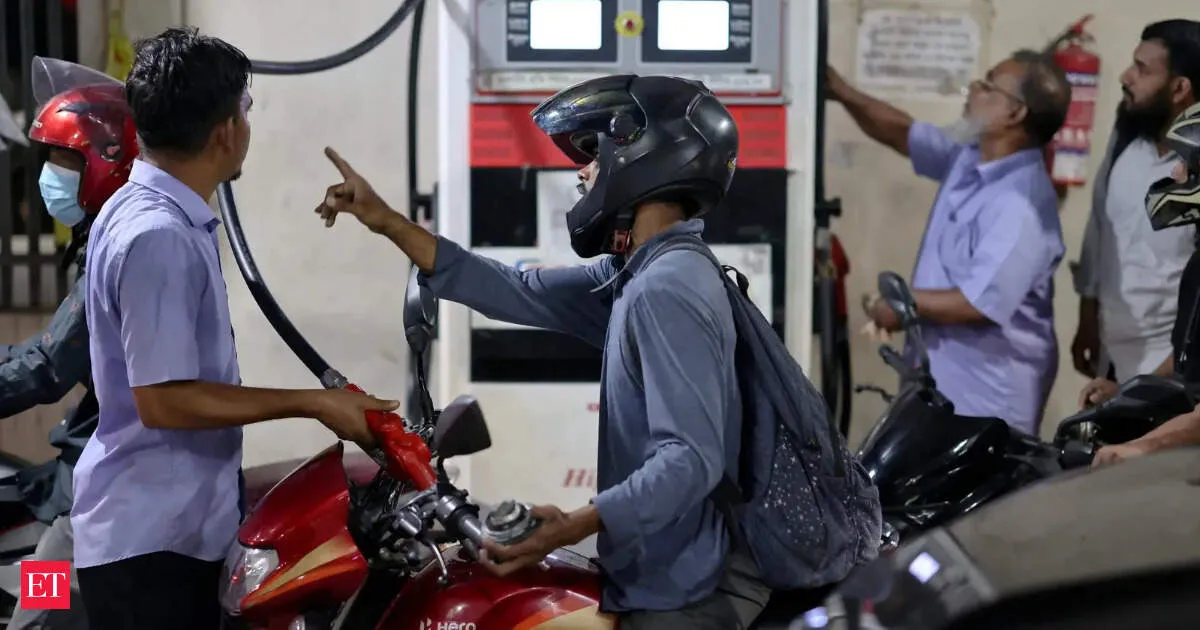
Iran’s new USD1 war toll per barrel passing through the Strait of Hormuz could push India’s annual oil import bill up by nearly INR10,000 crore. Though it breaches transit passage rights, India still has room to act—using diplomatic and legal levers—to protect energy supplies and contain costs.
Binance says it has become the first fully authorized crypto exchange under Abu Dhabi’s ADGM regulatory framework, as its user base crossed 300 million. In its year-end blockchain report, the exchange argues the next phase is treating crypto platforms like financial infrastructure, spotlighting governance, resilience, and stronger user protection over hype-driven growth.
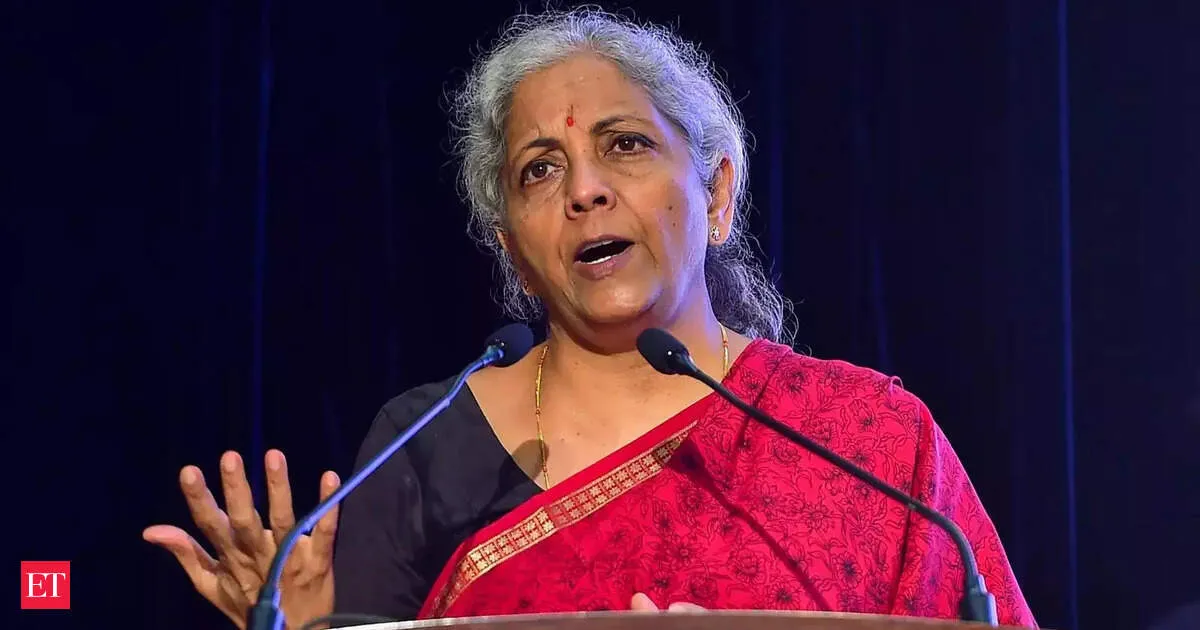
Finance Minister Nirmala Sitharaman said the debate on freebies matters because it shapes future growth. She claimed the government has “contained the leaky bucket” process using technology so beneficiaries receive the full amount, not just a fraction. Speaking in Kakinada, she also urged removing taxes hurting exports, saying the new export policy will offer incentives to exporters.
As AI accelerates change, IT companies are spending billions on reskilling and retraining programs. Yet a growing segment of workers appears unable to transition fast enough, raising retention and job-loss risks. The challenge is less about funding and more about learning pace, habit inertia, and whether training can meaningfully close skill gaps before roles disappear.
Crypto markets stayed subdued on Good Friday as macro worries and geopolitical tensions pressured sentiment. Bitcoin hovered around $66,000 after recent declines, while most altcoins remained flat. Analysts point to risk off positioning, weak ETF flows, and nearby technical resistance as key factors, suggesting a near-term range with a bearish undertone.
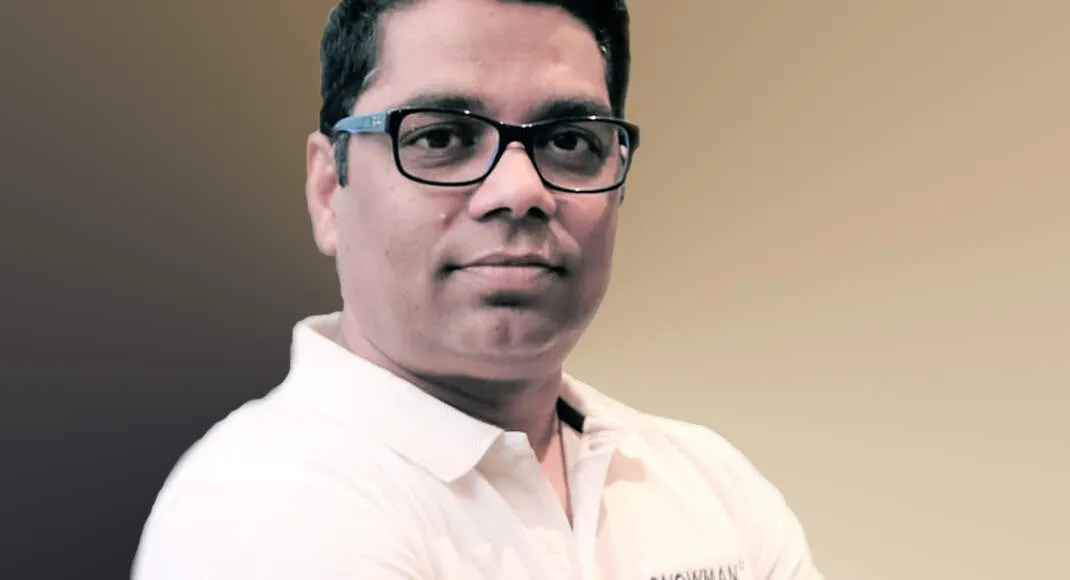
India’s largest cold-chain player Snowman says it will expand capacity by about 20% this financial year and aim for higher revenue. Its strategy leans on higher-yield sectors such as e-commerce and pharma while addressing profitability with an asset-light approach. The question is whether the growth push can translate into sustainable margins.
India’s criminal justice framework is moving from the old Dand era to Bharatiya Nyaya Sanhita’s Nyay, with a notable change: the new code spells out what counts as economic offences. Under the IPC, that scope was less explicit, leaving room for interpretation. The update aims to standardise coverage and strengthen accountability.
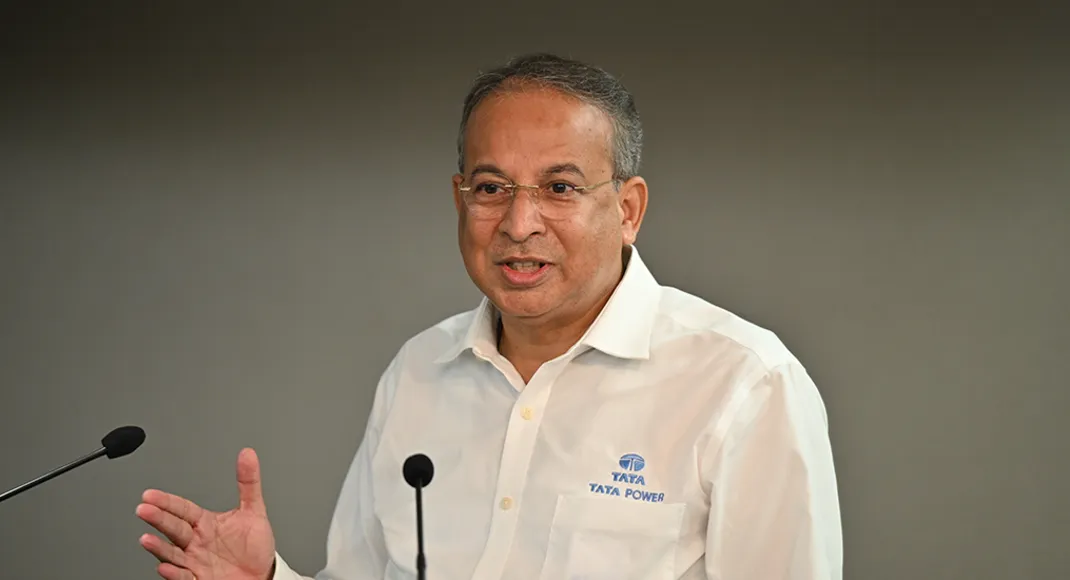
Tata Power says it will stop investing in new coal-fired power plants, while targeting a major solar milestone in the fourth quarter of FY25. The company is also preparing to begin a significant hydro project in January 2025, reinforcing its shift toward cleaner energy backed by financial discipline.
As the world debates how to allocate 6GHz spectrum for international mobile use at the World Radiocommunication Conference, India’s own stakeholders are stuck in disagreement. The clash over 6GHz allocation priorities is dragging on, raising questions about timing and coordination as global decisions move forward.
Doctors worldwide are confronting hospital-acquired “superbugs” fueled by antimicrobial resistance (AMR). The threat is stark: about 5 million deaths occur each year, yet clinicians still face limited tools to stop infections when standard antibiotics stop working. With bacteria evolving faster than new drugs, hospitals are bracing for a wider, more lethal antimicrobial crisis.
Fresh reports are reopening scrutiny around New England Patriots coach Mike Vrabel and NFL insider Dianna Russini after resurfaced 2020 photos allegedly showed them together in New York City. The renewed attention follows Vrabel’s decision to miss Day 3 of the NFL Draft to seek counseling for personal and family matters. Both had previously denied wrongdoing, while Russini later resigned from The Athletic amid ongoing investigation chatter.
Saudi Arabia has tightened rules for hospitality providers in Mecca and Medina ahead of Hajj, introducing harsher penalties for repeat violations. Authorities say fines will rise based on how often offenses occur and the size of the business, with repeat offenders facing possible closures and even license cancellation to improve pilgrim services during the peak period.
Akshaya Tritiya 2026 reshaped jewellery buying, with tier 2 and tier 3 cities driving growth and prepaid transactions taking center stage. Shoppers increasingly chose lightweight gold for a balance of cost and aspiration, while digital-first brands gained ground. UPI and financing options also boosted spending, and beauty emerged as a major category—pointing to a durable change in festive shopping habits.
Energy sector mutual funds have rallied nearly 12% over the past three months, outpacing other fund categories as global energy prices climb. Analysts say the move may be cyclical rather than guaranteed. They recommend existing investors book partial profits, while new investors consider SIP or STP to reduce entry-time risk.
Swipe through stories, personalise your feed, and save articles for later — all on the app.