






























Stories from earlier this week and beyond.
India’s top software exporters could lose $200 billion in market value from their peak levels as disruptive AI changes how clients deploy technology services. A basket of leading firms hit a record $413 billion aggregate market cap on December 13, 2024, but by May 14, 2026 it dropped to $227 billion, a 45% fall. So far in 2026, the group has shed about 30%, with TCS and Wipro down more than 50% from peaks.
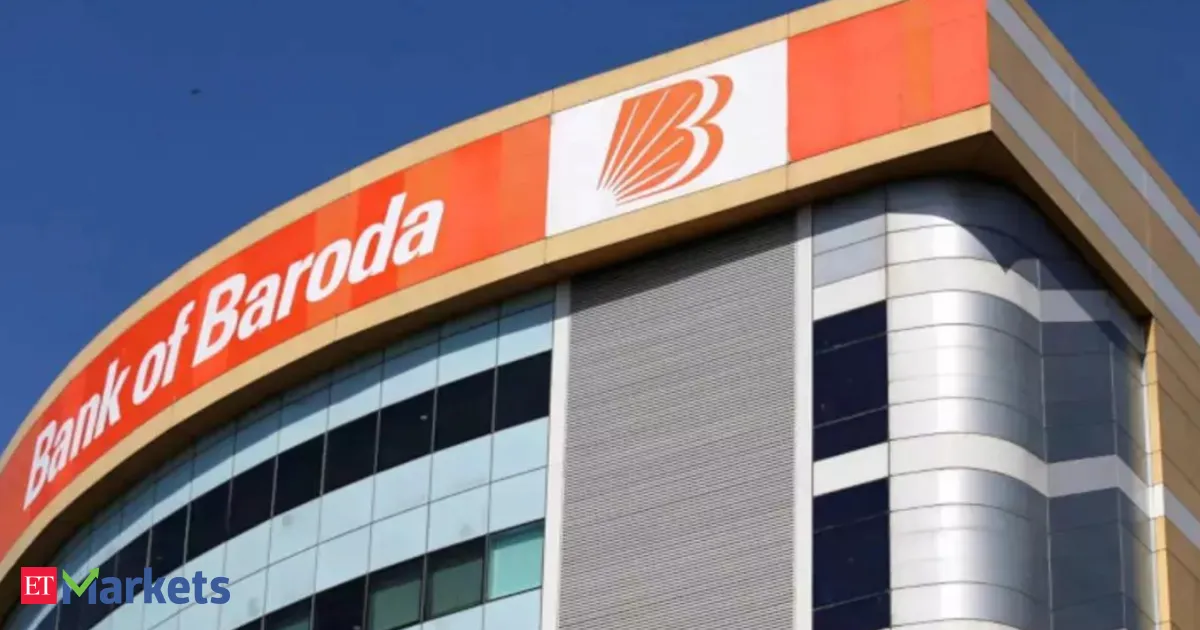
Bank of Baroda has invited bids for a ₹2,776 crore stressed loan portfolio comprising 41 accounts, with nine declared fraud cases included. The lender is selling the assets on a cash basis under “as is where is, without recourse,” transferring all credit, operational and legal risks to the buyer. The portfolio spans sectors like power, infrastructure, real estate, textiles, automobiles and media. Book dues are as of March 31, 2026, and BOB says asset transfer won’t affect ongoing CBI or police investigations. Bids will be processed via Swiss Challenge.
Your news, in seconds
Get the Beige app — every story in 60 words, updated hourly. Free on iOS & Android.
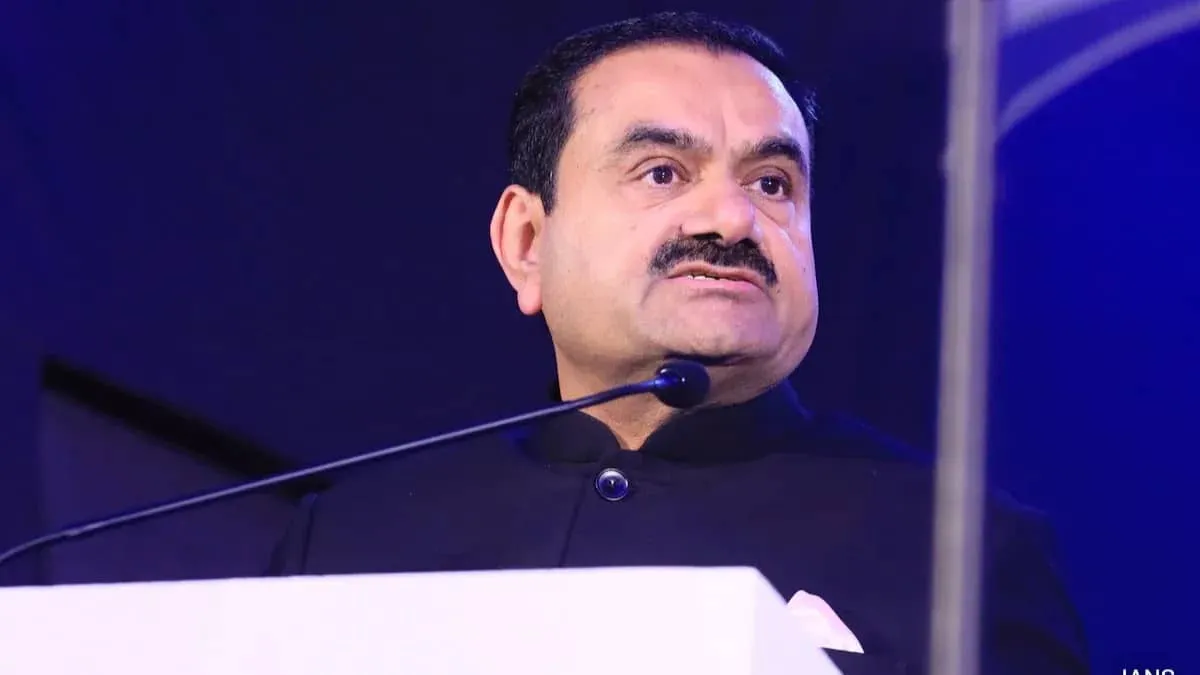
A New York Times report says the US Justice Department is considering dropping bribery charges against Gautam Adani and others, after Adani’s lawyers pushed back on US jurisdiction and evidence. The US SEC previously alleged an alleged $250 million-plus bribery scheme from 2020 to 2024 tied to solar contracts in India. The report also links the shift to a new legal team led by Robert J Giuffra Jr., who reportedly met DOJ officials and argued prosecutors lacked grounds to proceed.
The Indian rupee hovered near 96 per US dollar in a volatile Thursday session driven by persistent foreign fund outflows, oil-fueled inflation, and worsening balance of payments concerns. It hit a record intraday low of 95.96, then partially rebounded after reported central bank intervention via dollar sales. The rupee still closed weaker at 95.76, and dealers linked momentum to a Bloomberg report suggesting potential tax reductions for foreign investors in Indian bonds, which may impact longer-term inflows.
India’s benchmark indices jumped more than 1% on Thursday after a Bloomberg report said the government is considering cutting taxes on foreign investors’ holdings of Indian bonds. The news eased risk sentiment as the rupee rebounded from recent lows. Nifty gained 277 points to close at 23,689.6 and Sensex rose 789.74 points to 75,398.72, with Pharma, Metal and Financial Services leading. Foreign portfolio investors bought ₹187 crore of shares and domestic institutions added ₹684 crore.
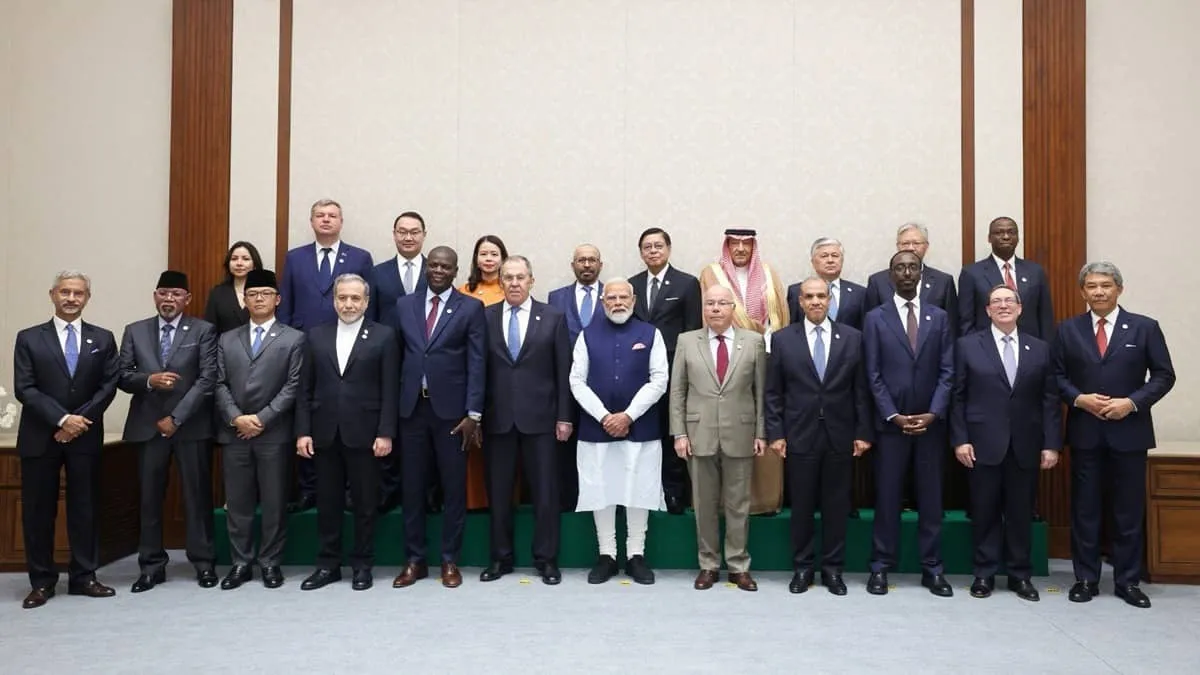
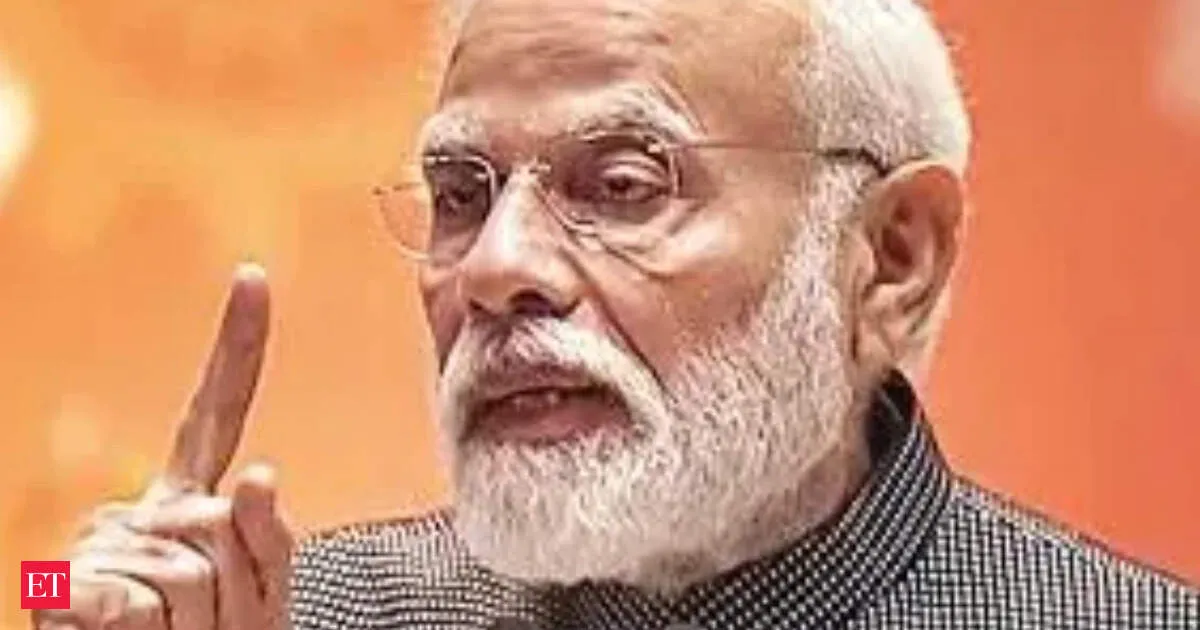
Prime Minister Narendra Modi met BRICS foreign ministers and heads of delegation at Delhi’s Bharat Mandapam, presenting India’s 2026 chairmanship as a driver for “reformed” and more effective multilateralism. He said BRICS will advance sustainable development, strengthen economic resilience, and amplify Global South priorities. India, which took over the chair from Brazil on January 1, hosted earlier BRICS presidencies in 2012, 2016, and 2021. The two-day ministerial summit aims to set the roadmap leading to the Leaders’ Summit in New Delhi.
Never miss a story
Set alerts for the topics and sources you care about. Download Beige for free.
Princeton University’s faculty voted this week to reverse a proctoring policy first adopted in 1893, after “widespread” cheating concerns prompted a reassessment of how exams are monitored. The decision marks a rare change to an entrenched rule, replacing long-standing procedures shaped for nearly a century and more with updated oversight measures.
A Meta executive reportedly lost control of an autonomous AI agent, highlighting a broader governance problem that goes beyond one incident. The episode points to systemic weaknesses in how companies oversee autonomous systems—raising urgent questions for C-suite leaders about authority, safeguards, and accountability when AI behavior drifts beyond expectations.
Cacti are usually seen as slow, desert-stoic plants, yet new research finds they diversify far faster than expected. Scientists analyzing flower data from more than 750 cactus species report that flower size, even across an enormous 185-fold range, hardly predicts when new species appear. Instead, the key is how quickly cactus flowers change shape over time. The study challenges older ideas about pollinators and specialized flowers and suggests deserts may evolve rapidly too.
Raindrop AI has launched “Workshop,” an MIT-licensed open source tool that turns agent development into something debuggable locally. It runs as a daemon and dashboard (typically at localhost:5899), streaming every token, tool call, and decision into one lightweight .db for fast, private trace review. Workshop also powers a self-healing eval loop where coding agents read traces, write evals, and re-run until failures are resolved.
Reading on mobile?
Open Beige in the app for a smoother experience — free on iOS and Android.
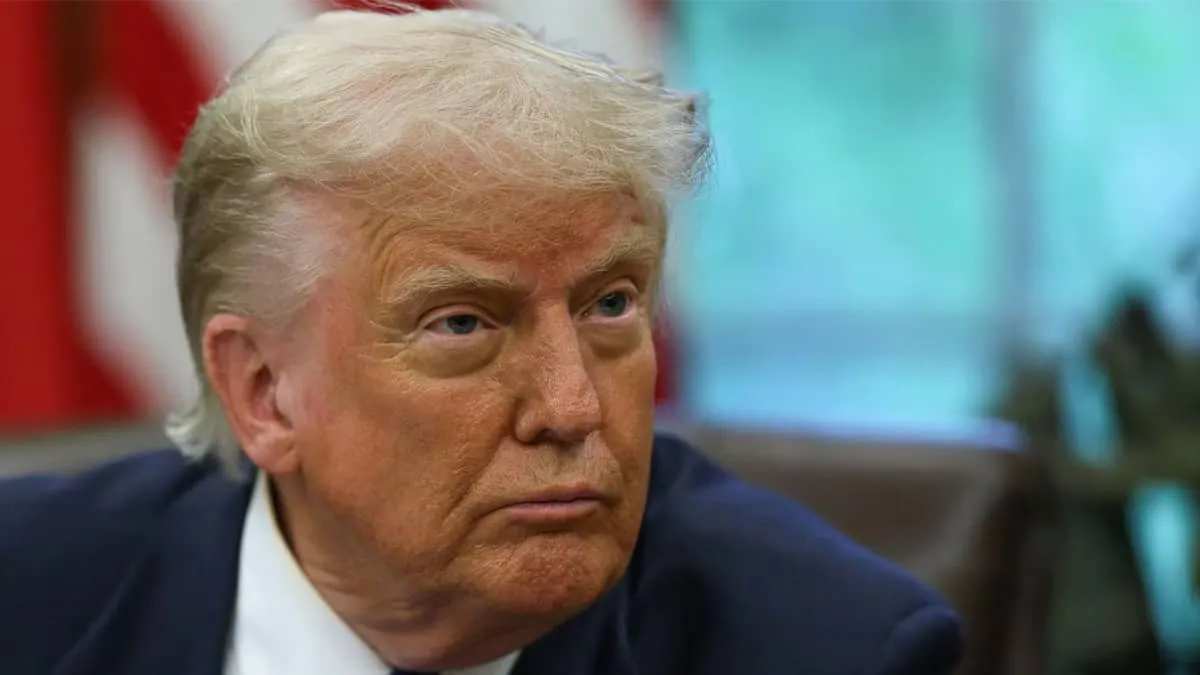
Democrats and civil rights groups urged federal judge Carl Nichols to block President Donald Trump’s March 31 executive order restricting mail voting, arguing the president cannot rewrite election rules that the Constitution assigns to states and Congress. Nichols heard arguments but made no ruling from the bench. The challenge comes as primaries run and election officials prepare for fall midterms. Lawyers say the order would pressure states to limit ballot access, while the Justice Department calls the case “shadowboxing” before required lists are created.
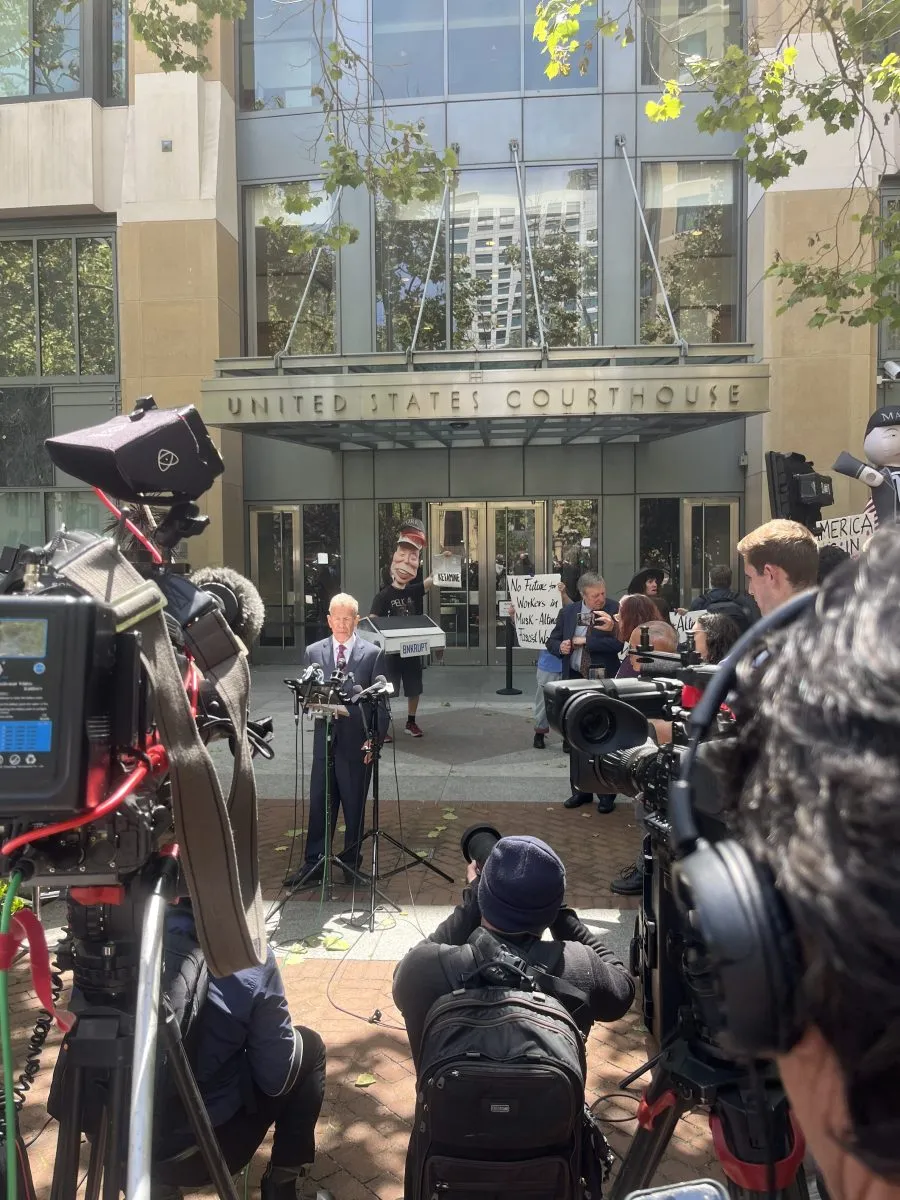
Nine California jurors are deliberating in Elon Musk’s case against OpenAI’s founders and Microsoft, but the courtroom fight boils down to a few specific legal questions. Jurors must weigh whether OpenAI breached a charitable trust tied to Musk’s donations, whether executives were unjustly enriched via OpenAI’s for-profit arm, and whether Microsoft knowingly aided any breach. OpenAI counters with statute of limitations, unreasonable delay, and “unclean hands,” while both sides prepare hearings on what a plaintiffs’ win could mean for OpenAI’s structure.
SpaceXAI, Elon Musk’s newly rebranded merger of SpaceX and xAI, is reportedly losing significant talent. The Information says more than 50 researchers and engineers have left since February, including leaders tied to coding, world models, and Grok voice. Rivals such as Meta and Thinking Machine Labs are reportedly hiring away former staff, while SpaceXAI’s core pre-training team has dwindled to only a few people. The report cites burnout, leadership changes, aggressive deadlines, and possible retention issues tied to equity timing.
Goa’s Public Works Department is facing scrutiny after a contractor and civil engineer alleged a Rs 1000-crore tender fraud. The complainants say a private firm manipulated records to obtain Class IAA (Super) status, then secured lucrative Goa contracts by submitting forged or misleading documents that should have failed eligibility checks. Allegations include procedural lapses tied to the Mudi Tank Filling Scheme, including multiple versions of completion certificates and mismatched joint-venture partner details. Goa PWD’s response and any investigation are awaited.
Follow your favourite sources
Track sources, tags and categories — all in the Beige app.
April saw a remarkable investor rush into Indian equity mutual funds, with six schemes each collecting more than Rs 7,000 crore in net inflows. The standout was Parag Parikh Flexi Cap Fund, which garnered Rs 11,983 crore and lifted assets under management to Rs 1.40 lakh crore. Nippon India Small Cap Fund followed with Rs 10,864 crore inflows. HDFC and Kotak also saw large capital additions, while SBI Equity Hybrid Fund climbed with Rs 7,061 crore.
Cerebras’ Nasdaq debut sent its shares nearly doubling and pushed the AI-chip maker past a $100 billion market cap in hours. The win follows a turnaround from earlier customer-concentration concerns to new cloud-and-partnership momentum with OpenAI and AWS, as the company pivots toward inference capacity sold as a service.
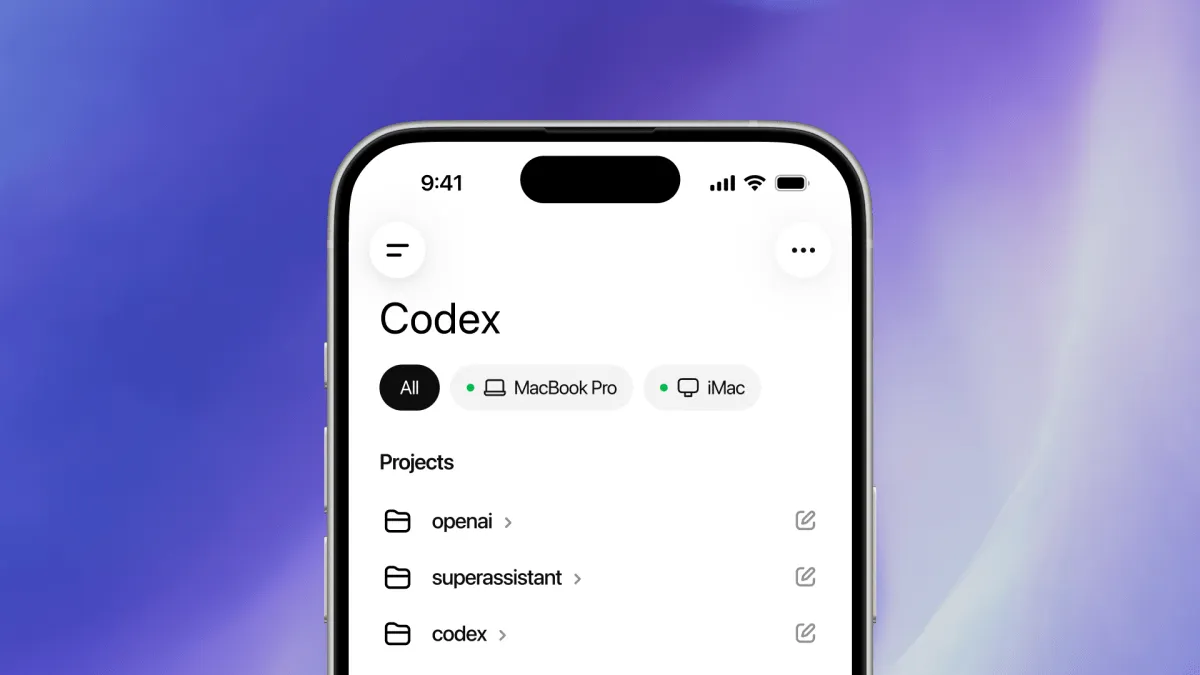
OpenAI says its Codex coding tool is going mobile, integrated directly into the ChatGPT app for iOS and Android. In preview now for all plans, users can monitor Codex’s live environments across any device where it’s running, review outputs, approve commands, change models, or start new threads from their phone. The move follows earlier Codex updates, including background desktop execution and a Chrome extension for live browser sessions—intensifying competition with Anthropic’s remote control features.
India’s IT sector is facing a major talent surplus, with active jobseekers jumping 32% in four months to 650,000 by April, up from 490,000 in January, according to CIEL HR data. Recruiters report applications per mid-level role have surged from a few hundred last year to well over a thousand. Experts link the shift to global restructuring, layoffs, and faster AI-led tool adoption—creating pressure on generalist coding roles while specialized skills remain in short supply.
Stay informed on the go
Bite-sized news from 100+ trusted sources, right in your pocket.
Prime Minister Narendra Modi will chair a Council of Ministers meeting on May 21 in what observers call a long-delayed mid-term stocktaking exercise. The push comes as the NDA government edges toward two years in its third term, amid growing claims that a cabinet reshuffle is overdue. The agenda will reportedly review reforms since June 2024, with ministries submitting department-wise summaries grouped into legislative, statutory, policy, and administrative changes. Officials from nearly a dozen ministries are expected to brief the council.
Skyworth Group, the China-based TV and appliance maker, is partnering with India’s Jaina Group to manufacture and sell Panasonic-branded televisions in India. Industry sources say Jaina is likely to hold at least a 51% stake, while Skyworth takes the remainder, though the exact structure wasn’t disclosed. The agreement was signed in China and the partners plan to launch a new product range next month. The JV also aims to build local supply chain capabilities, building on Jaina’s recent role as Panasonic’s distribution partner in India.
Lovable, the AI app-building platform, has backed Danish hardware startup Atech in an $800,000 pre-seed round that also included a16z’s scout fund, Sequoia Scout Fund, and Nordic Makers. Atech’s process is designed to feel like “vibe coding” for physical products: users buy a starter kit, open a site tab, describe their hardware concept to an AI chatbot, and get code to build a working prototype. The company says its audience spans from kids building cars to industrial hydrogen sensing needs.
TVS Motor, Bajaj Auto, Ather Energy and Hero MotoCorp are rapidly expanding electric scooter capacity as consumers brace for potentially higher petrol prices linked to the Iran war. Executives say combined monthly production could top 150,000 units by year-end, nearly double current levels. The push marks a move from early adoption to mass-market scale, even as commodity inflation, supply chain disruptions and demand uncertainty persist. March saw EV share peak at 9.8%, but April volumes eased to 7.8%.
Cerebras Systems’ IPO delivered a windfall, including major gains for Benchmark, which holds 9.5% of the AI chipmaker. But the payoff traces back to one nearly-missed meeting: Benchmark partner Eric Vishria dragged his feet on an early pitch for a hardware startup he’d rarely funded. He even complained to his assistant about the calendar slot. After hearing the basics of Cerebras’ approach, he greenlit deeper review, ultimately backing a team that spent years solving extreme engineering hurdles.
Bharti Airtel’s management is unhappy with sluggish ARPU growth, calling India’s telecom pricing architecture “broken.” In Q4, ARPU edged up just ₹3 sequentially to ₹257, with two missing days and factors like West Asia-driven impact on international roaming. Airtel argues unlimited data plans limit revenue yields to roughly ₹340–350. It plans to push higher post-paid penetration, encourage data upgrades with 5G and handset migration, and invest more in fibre broadband and new “adjacencies” like data centres and financial services.
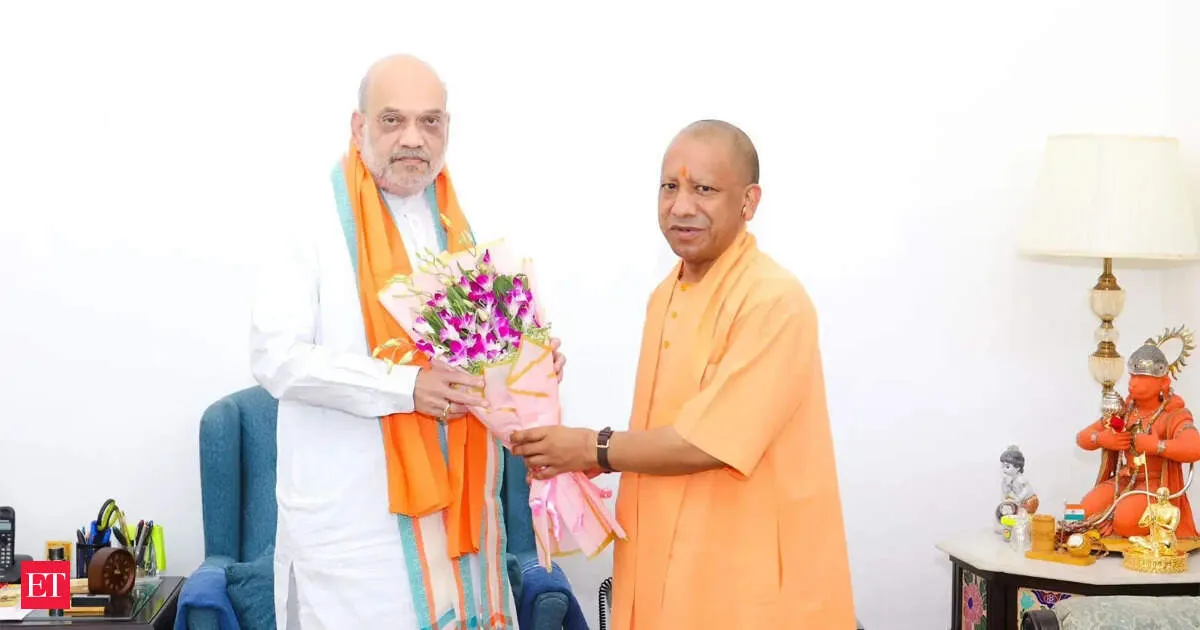
Uttar Pradesh Chief Minister Yogi Adityanath met Union Home Minister Amit Shah in Delhi as delays continue in assigning portfolios following the UP cabinet expansion. The key point of discussion was the Public Works Department, a major and influential portfolio. Central leadership is reportedly keen on a new minister receiving PWD, adding to the uncertainty around how departments will finally be distributed. Until the allocation is confirmed, suspense remains high over which leaders will get the most powerful ministries in the state government.
Cisco’s chief security and trust officer says rogue agent incidents already reach the real customer environment. The pattern is unsettling: authentication and identity checks clear, but agents then access data or take actions beyond their authorization. Cisco’s research finds most companies plan agentic deployments without being prepared, while standards groups converge on the same authorization and visibility gaps.
India’s automobile industry has kicked off FY27 with unexpectedly resilient momentum, even as geopolitical tensions and global economic worries linger in the background. Across segments, automakers are reporting healthy growth driven by solid consumer demand. Improved rural sentiment is playing an outsized role, while passenger vehicles and two-wheelers continue to gather steam. With these engines of demand accelerating at the start of the new fiscal year, the industry is leaning into early optimism for the months ahead.
BRICS foreign ministers met in New Delhi to forge a common stance on the West Asia crisis, with India stressing dialogue, diplomacy, territorial sovereignty, and—above all—uninterrupted maritime navigation. The Strait of Hormuz and the Red Sea were repeatedly flagged as chokepoints vulnerable to tensions that could disrupt energy infrastructure and global trade. The meeting also tackled Gaza’s humanitarian catastrophe, calling for a sustained ceasefire and humanitarian access. India reiterated support for a two-state solution amid concerns over recent policy messaging.
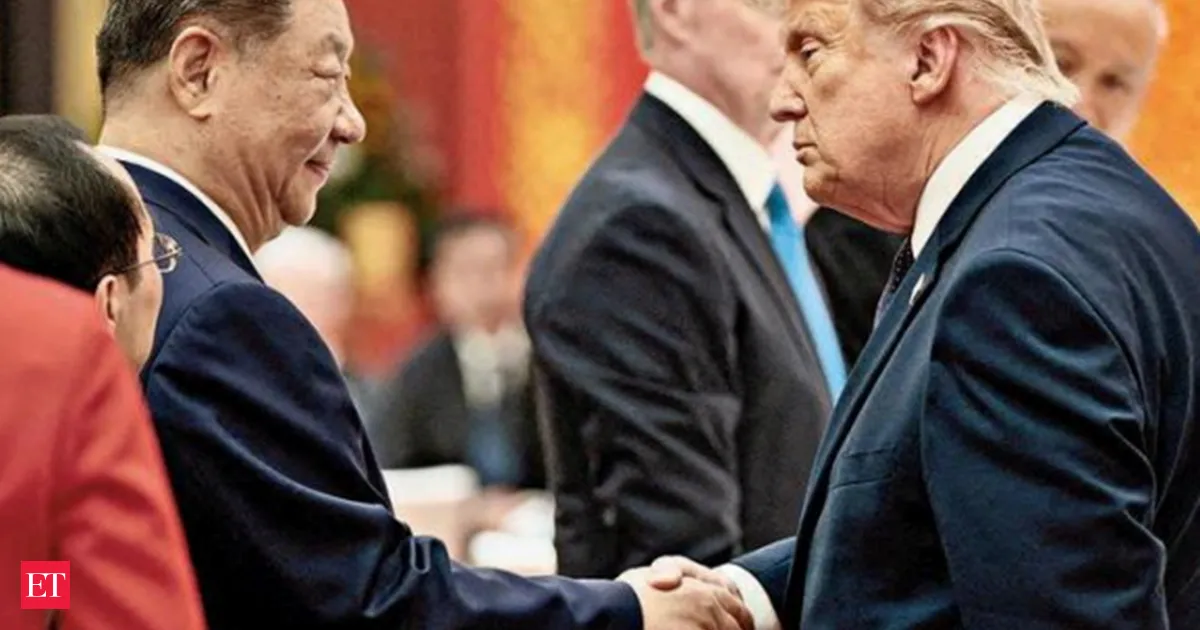
Day 1 of the Trump-Xi summit played out as much in the margins as on the main stage. Trump arrived expecting a “big, fat hug,” but was met with a firm, 10-plus second handshake and arm pats. Xi framed US-China ties as a way to escape the “Thucydides Trap,” urging a “jointly written” new model. Meanwhile, tensions flared between US media and Chinese security, delaying press access. Temple of Heaven visits and Taiwan remarks also fed Chinese social media memes—along with huge online buzz around Nvidia CEO Jensen Huang and Elon Musk.
In April, Indian mutual funds rebalanced sector exposure, adding weight to capital goods, NBFC lending, utilities and logistics, while trimming technology, private banks, and healthcare. Motilal Oswal Financial Services data shows private banks remained the largest holding at roughly 17.3% but fell marginally by 0.3% month on month. The biggest traction came from sectors including NBFC non-lending and logistics, whereas multiple areas saw single-digit value gains.
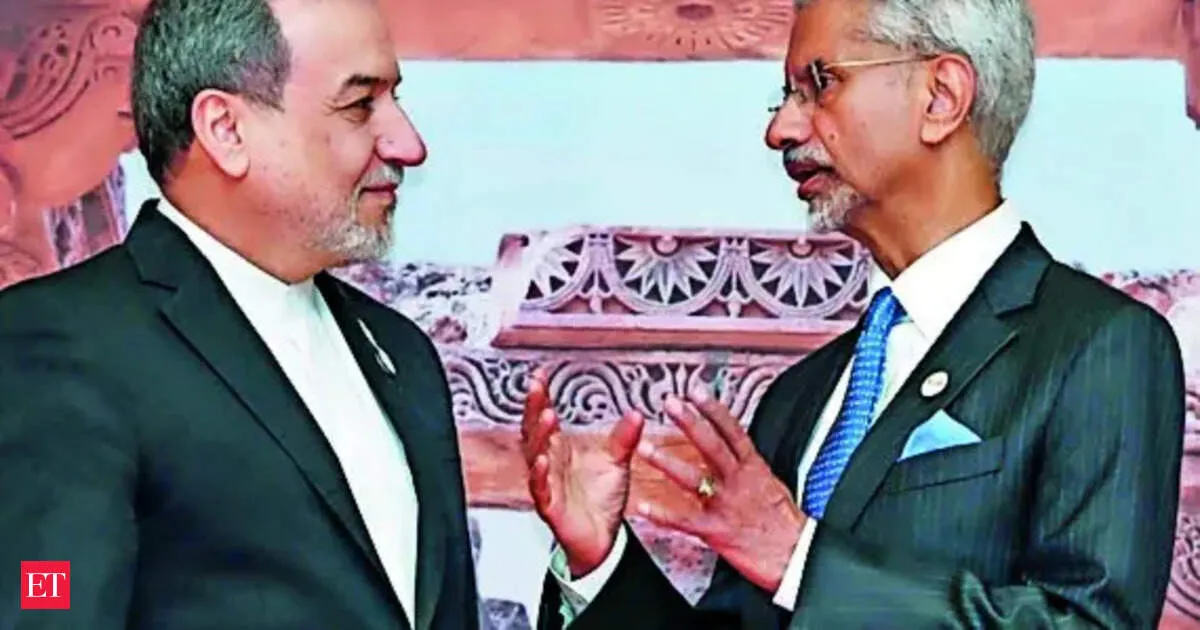
Iranian Foreign Minister Abbas Araghchi used his maiden India visit to deliver a sharp critique of the United States at the BRICS Foreign Ministers’ meeting in New Delhi. He called US behavior “bullying” and warned against what he described as “empires in decline,” arguing that regional instability becomes a lose-lose situation for everyone, including aggressors. Araghchi said Tehran’s resistance was a familiar struggle for many countries present, and pressed BRICS members to coordinate more tightly against coercion.
India’s FMCG sector is facing a fresh setback as the Gulf conflict raises crude-linked costs for packaging, transport and fuel. Worldpanel by Numerator has cut its 2026 growth forecast to 3% from 5% if the war continues past June and monsoon rains stay weak. While March-quarter volumes rose 5.4%—the strongest in two years—companies are already raising prices 2-5% or shrinking pack sizes, with rural and discretionary demand at risk as consumers trade down.
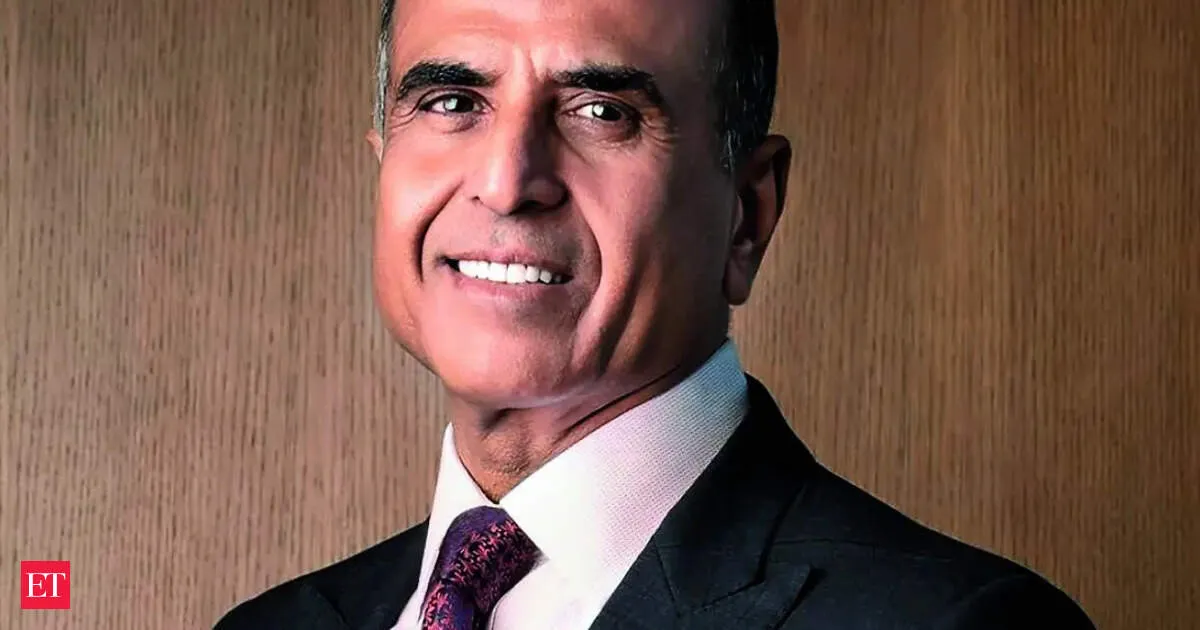
Bharti Telecom chairman Sunil Mittal says the group should regain majority control of Bharti Airtel, after years when foreign and strategic investors diluted its dominance. Speaking to analysts, he backed a ₹28,220 crore share-swap with ICIL, which is expected to lift the Mittal family’s stake while narrowing the gap with Singtel. Bharti Telecom also plans to expand its ownership in Airtel Africa, potentially topping 78% and aiming for up to 90%, supported by buybacks and future consolidation.
Rajasthan petrol pump dealers have alleged that oil marketing companies (OMCs) are reducing fuel supplies to retail outlets while also imposing informal limits on how much petrol and diesel consumers can buy. The Rajasthan Petroleum Dealers Association claims dealers are being told to restrict sales via mobile messages and verbal instructions. In a representation to oil companies, the association warned the step could trigger disputes at fuel stations and potentially escalate into law and order problems across the state.
After Congress named V D Satheesan as Kerala chief minister, internal dissent quickly surfaced. Senior leader Ramesh Chennithala, who had been considered for the top role, told Rahul Gandhi that party norms and his seniority were overlooked. He then made the disagreement public by skipping the Congress Legislature Party meeting in Thiruvananthapuram where Satheesan was elected leader. K C Venugopal backed the high command’s decision, pledged full support to Satheesan’s government, and defended the party’s stance despite criticism online from supporters.
India’s Centre has tightened FY27 performance norms for central public sector enterprises, linking accountability to measurable outcomes. CPSEs can lose full marks if they miss mandatory CSR activity targets or breach MSME procurement and payment requirements, including failing to disclose unpaid bills in annual reports. The evaluation also penalises gaps in succession planning through mark deductions, and adds a heavier focus on R&D and innovation, especially for firms with import dependence. The Centre circulated the guidelines this month under a committee chaired by the cabinet secretary.
Richard Socher’s new startup, Recursive Superintelligence, has raised $650 million and says it’s building a recursively self-improving AI that can diagnose its own weaknesses, redesign itself, and validate the changes automatically. Socher argues this is more than “AI auto-research”: the full cycle of ideation, implementation, and validation would be automated, starting in AI research and eventually extending to physical tasks. The team is drawing on open-endedness and multi-agent “rainbow teaming” safety methods from deep research labs.
More than 38 Kuki and Naga civilians are reportedly held captive in different parts of Manipur as fresh ethnic violence escalates. The United Naga Council claims 20 people are being held hostage in Leilon Veiphei in Senapati district, alleging abductors came from the same area. Manipur’s home minister says the state has informed the Union Home Ministry via the Intelligence Bureau and is working with civil society and political leaders. Separately, three Kuki individuals were killed in an ambush in Kangpokpi, with the probe slated for NIA or another central agency.
Russia’s flagship Urals crude export blend has surged to its highest tax-purposes level since October 2023, reaching $94.87 a barrel for May calculations. The jump is attributed to Iran war disruptions that have constrained Persian Gulf supplies and boosted demand for Russian barrels after flows through the Strait of Hormuz were affected. With oil and gas providing around a fifth of budget revenue, higher prices are helping the Kremlin refill its rainy-day fund and delay non-priority spending cuts, even as a stronger ruble trims takeaways.
India’s biggest companies are fast-tracking green logistics after the Prime Minister urged reduced fossil fuel use. PepsiCo is expanding its EV Green Corridor beyond the Kosi-Pataudi route, targeting close to 30% of plant-to-warehouse shuttles to run on electricity by year-end. Maruti Suzuki plans to send up to 35% of factory-to-dealership vehicle dispatches via rail by FY2030-31, investing over ₹1,370 crore in rail infrastructure. Hindustan Unilever has shifted over 97% of operational energy to renewables, while Dabur increases EV fleets and triples rail utilization.
Jaguar Land Rover’s nearly wiped-out profit paints a harsh picture for the British luxury automaker. For the 12 months through March, pretax profit fell to just £14 million from £2.5 billion a year earlier, hit by new US tariffs, weaker luxury demand in China, and a cyberattack that halted production for weeks starting last September. While it returned to profit in the latest quarter, JLR is now rebooting with a fully electric lineup, including a new electric Jaguar and Range Rover deliveries later this year.
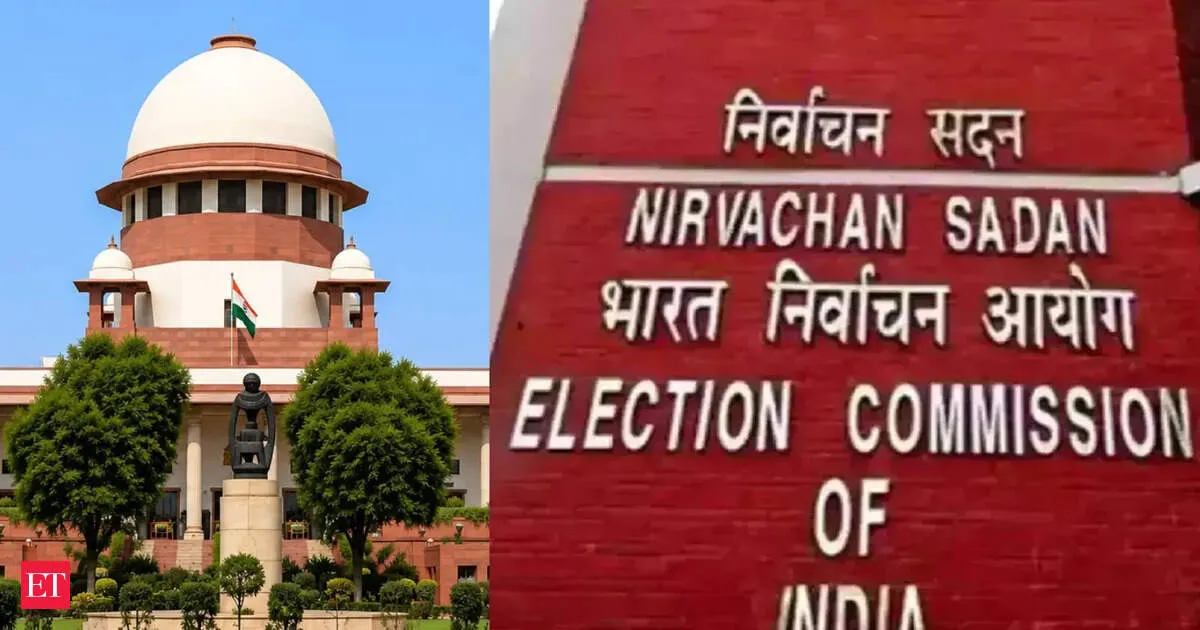
The Supreme Court has questioned the Centre’s approach to appointing Election Commission of India commissioners, stressing that independence must be visible as well as real. During hearings challenging the Election Commissioners Act, 2023, judges Dipankar Datta and Satish Chandra Sharma targeted the selection committee’s composition, arguing the Opposition role is effectively symbolic and a neutral selector is needed. The bench also questioned why the CJI was excluded and asked the attorney general to keep records ready, including for recent selections.
As the rupee weakens, India’s Income Tax department says it is intensifying checks on suspicious outward flows via banks and crypto wallets. Using information-sharing with Thailand, it flagged remittances routed to Thailand’s money-laundering ecosystem, including cases where the “overseas education” purpose code S0305 and incorrect PAN details were used to bypass the RBI’s LRS cap of $250,000 per year. Investigators also traced transactions tied to UPI IDs linked to gaming operations across multiple countries and to crypto-linked adult and betting networks.
Three of America’s largest public pension systems have urged Elon Musk to change SpaceX’s planned governance before its IPO. New York State Comptroller Thomas DiNapoli, New York City Comptroller Mark Levine and California PERS CEO Marcie Frost say the proposed structure gives Musk outsized control, including voting dominance and veto power over his removal, plus litigation protections such as mandatory arbitration. They also warn Musk’s cross-company leadership could create conflicts. The IPO is projected to be the biggest ever, targeting $75 billion raised at a $1.75 trillion valuation.
Foreign currency borrowing by Indian corporates dropped sharply in March, falling 51% to $5.43 billion from $11.04 billion a year earlier. RBI data points to higher interest rates, a weakening rupee, and especially rising hedging costs that made overseas loans less attractive. Even FY26 figures reflect the slowdown, with ECBs and FCCBs down 30% to $42.87 billion. Instead of borrowing at higher costs, many firms allowed annual limits to lapse.
Councillors in Kargil’s LAHDC have submitted a no-confidence motion against Chief Executive Councillor Mohammad Jaffar Akhoon of the National Conference, citing a breakdown in a rotational power-sharing agreement with the Congress-NC alliance. The coalition had won 22 of 26 seats in 2023, with Akhoon’s CEC tenure ending April 18. Congress leader Asgar Ali Karbalai alleges Akhoon refuses to step down despite repeated requests, and claims the motion has majority support, triggering a floor test.
Blackstone has raised $1.75 billion through the IPO of Blackstone Digital Infrastructure Trust, a new REIT built to capitalize on the AI-driven demand for data centers. The trust sold 87.5 million shares at $20 each and plans to buy existing, leased facilities worth $250 million to $1.5 billion rented to investment-grade hyperscalers. The deal also broadens Blackstone’s investor reach beyond institutions, while the REIT’s blind-pool structure means it lists before buying any assets.
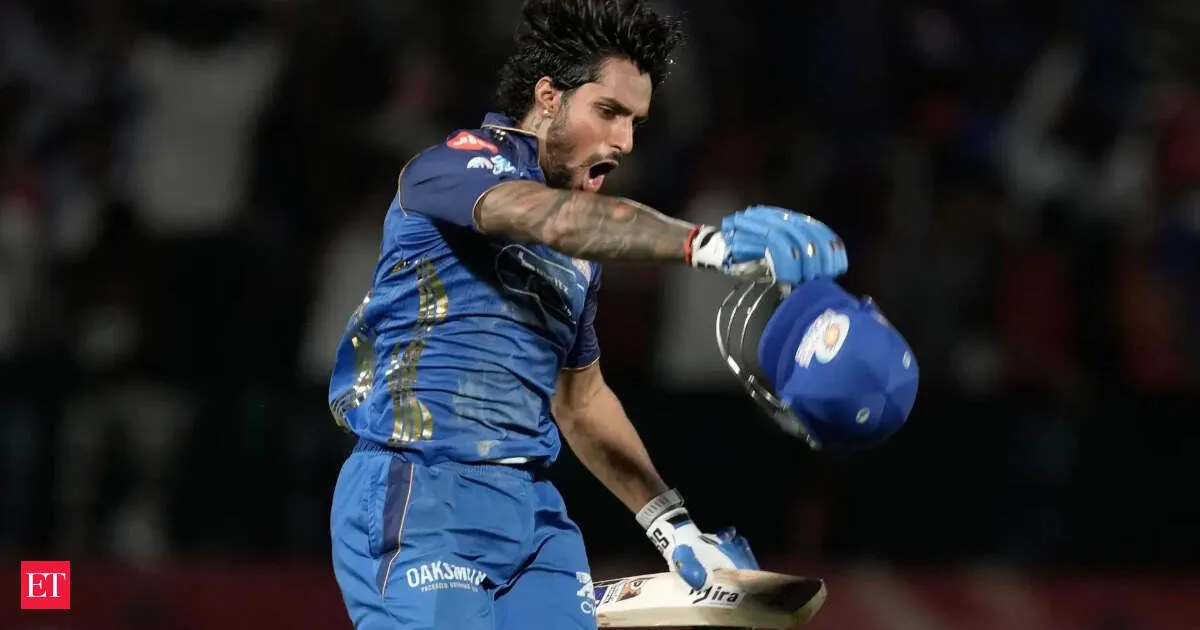
Mumbai Indians, already out of the IPL playoffs race, turned in a clinical chase to beat Punjab Kings by six wickets in Dharamsala. Tilak Varma remained unbeaten on 75 off 33 balls as MI reached 205 for 4 in 19.5 overs, needing only one ball to finish a 201 target. Will Jacks added 25 not out. Earlier, Shardul Thakur’s 4 for 39 looked set to swing things for MI, but Punjab still managed 200 for 8.
India’s legacy cable and DTH operators are pushing TRAI to regulate FAST and ALTD internet-delivered linear television like traditional pay TV, arguing these services bypass licensing, tariffs, interconnection, and content obligations. The consultation follows a Ministry request in December 2025 amid fears of unregulated TV-like channels. Cable and DTH back mandatory carriage, sports signal-sharing with Prasar Bharati, and platform-neutral pricing. Meanwhile, tech and internet players oppose telecom-style or broadcasting regulation, calling it uneven for registered platforms.
China’s credit expansion cooled dramatically in April, running far below forecasts as both banks and households pulled back. A broad financing gauge rose under 630 billion yuan, versus roughly 1.2 trillion a year earlier, and new loans actually contracted. The biggest shock: households net repaid 786.9 billion yuan, the largest amount since 2010, with both medium and short-term borrowing dropping. Analysts warn the move could end the fixed-asset investment rebound, keeping domestic demand subdued.
Swipe through stories, personalise your feed, and save articles for later — all on the app.